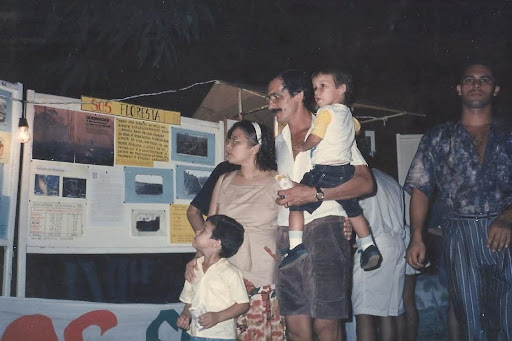
1988:
- SOS Amazônia was founded by professors, students, agronomists, forest engineers, lawyers, geographers, and social movement representatives, including Chico Mendes. In its early years, the organization focused on a “name and shame” approach—publicly displaying data and images of regional deforestation in the streets to raise awareness and mobilize society.
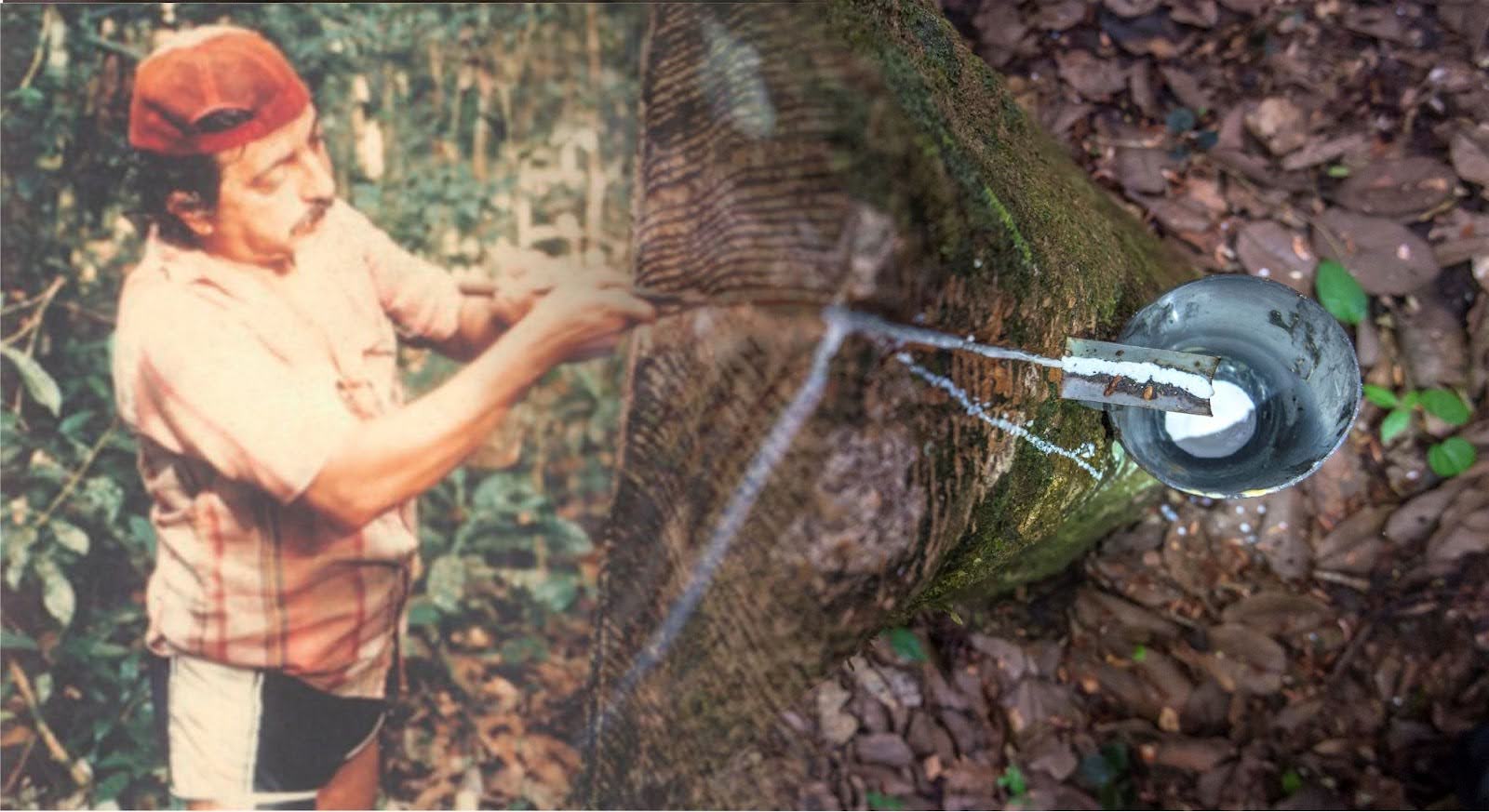
1989:
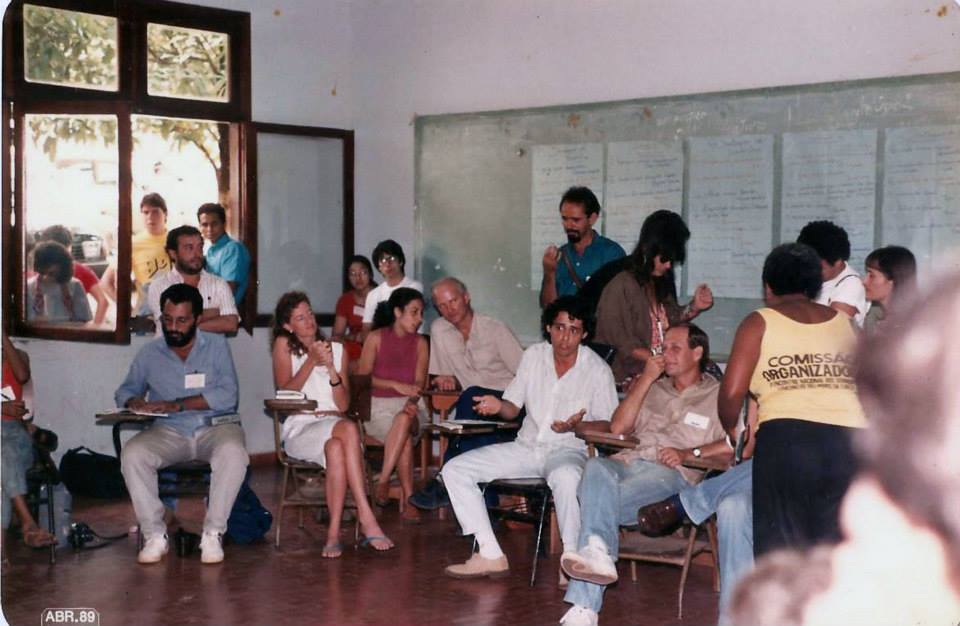
- Held an ecumenical council as a tribute to Chico Mendes, exposing the threats faced by rubber tappers.
- Introduced environmental education initiatives through recyclable material sorting, supported by São Pelegrino Parish and IMAC.
- Implemented selective waste collection in the homes of 500 students and residents of Tucumã, with support from UNICEF and the Criança Esperança Program.
- Participated in the Consultative Council, monitoring and evaluating research conducted for the government of Acre on the development of a forest management model in the Antimari State Forest, with support from WWF.
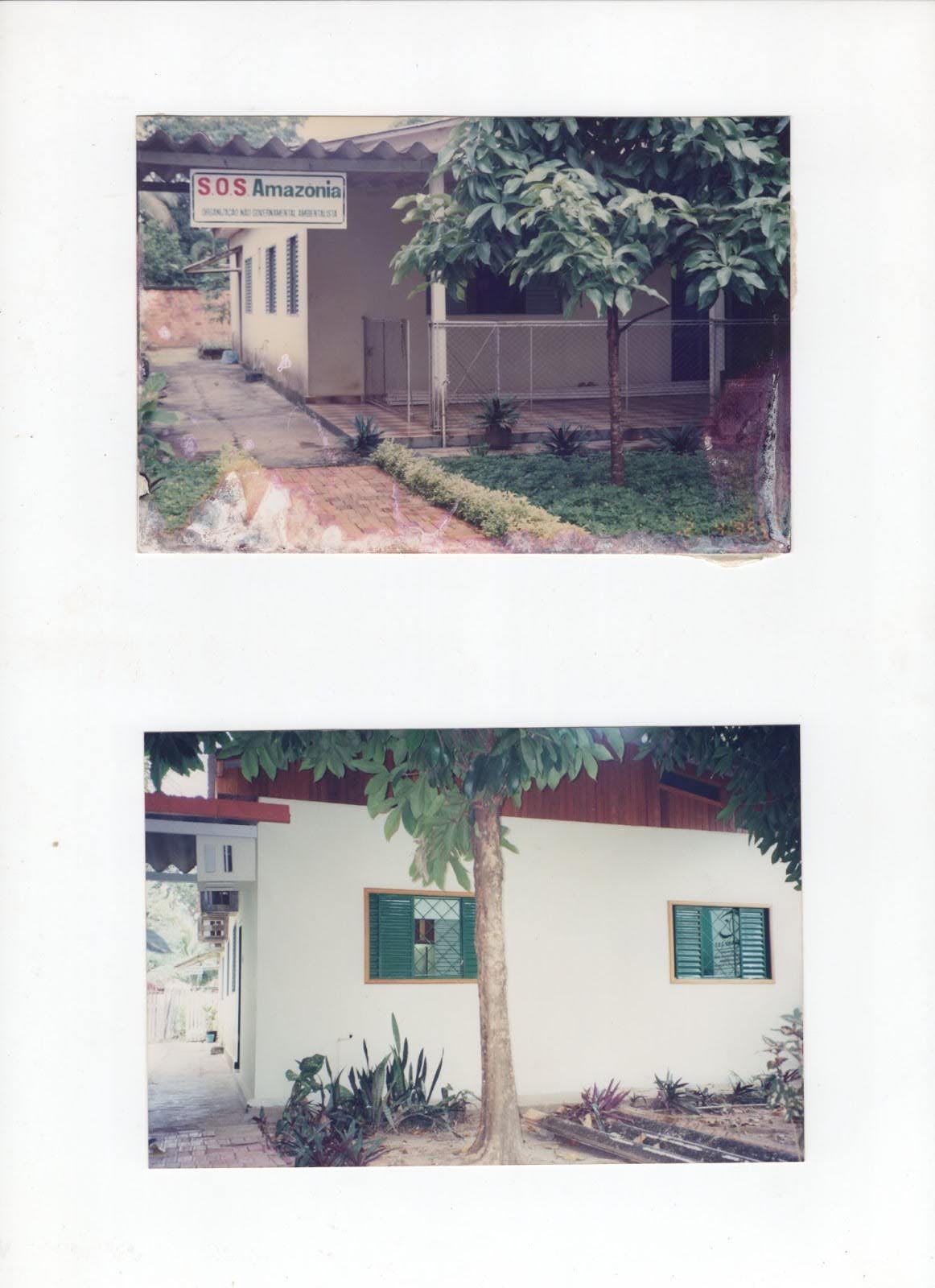
1993:
- Acquired headquarters of SOS Amazônia in Rio Branco.
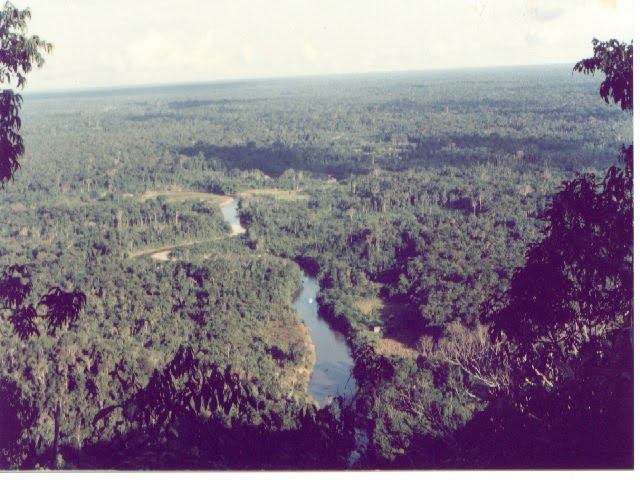
1994:
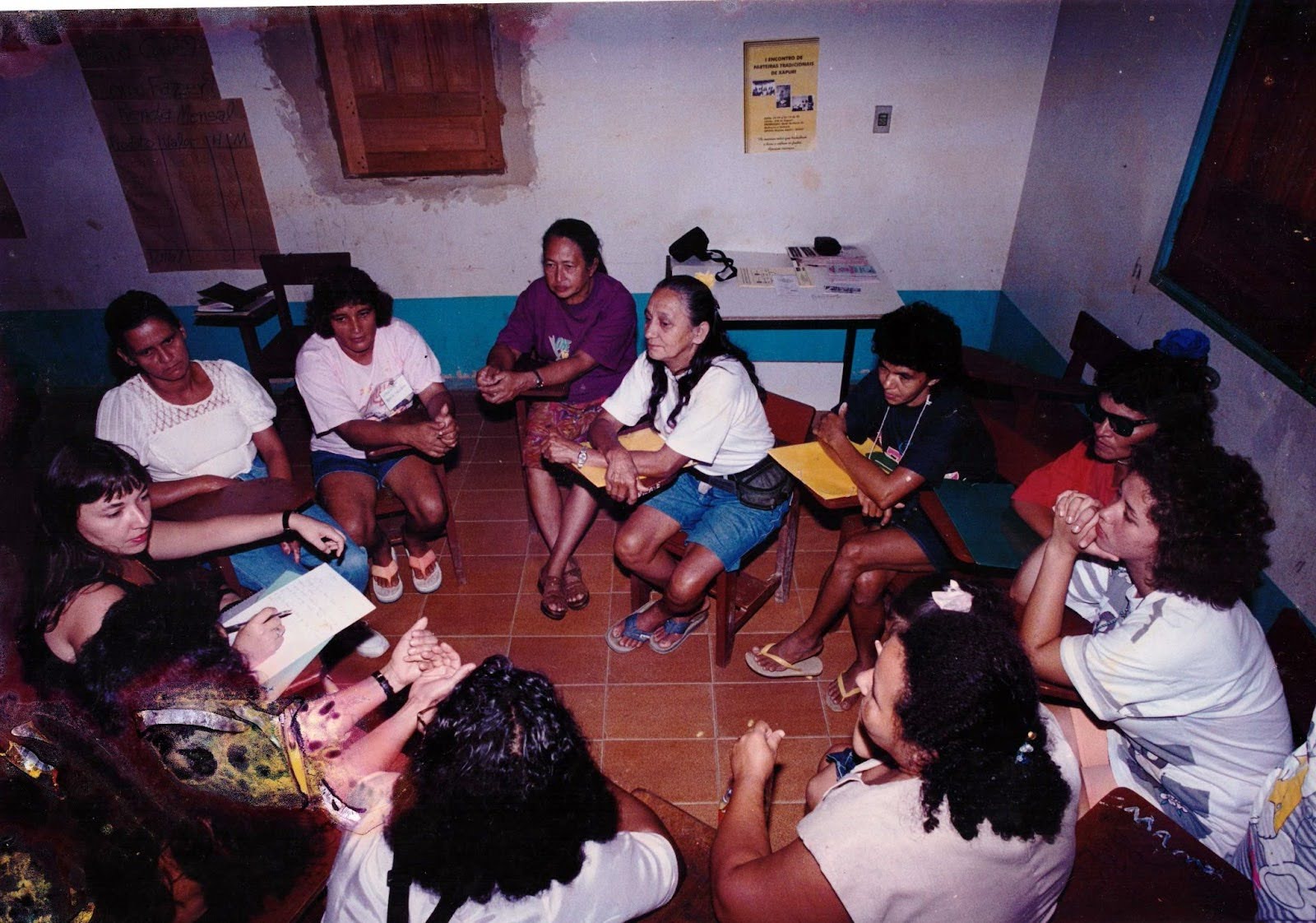
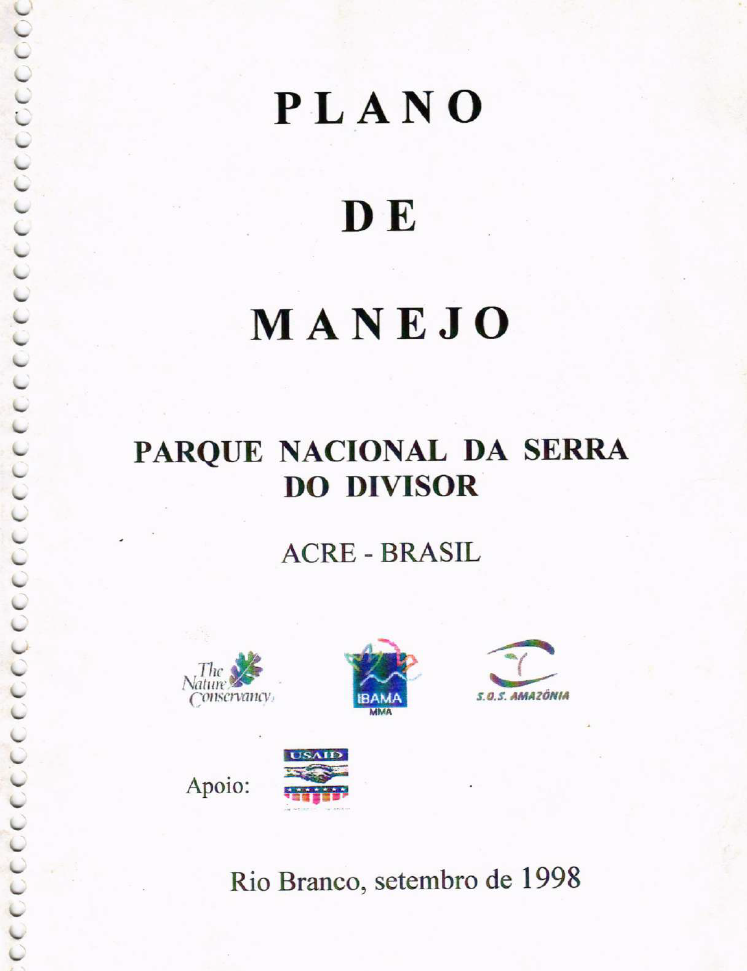
- Invited by The Nature Conservancy (TNC) to develop a project in partnership with IBAMA, aimed at strengthening the Serra do Divisor National Park.
1996:
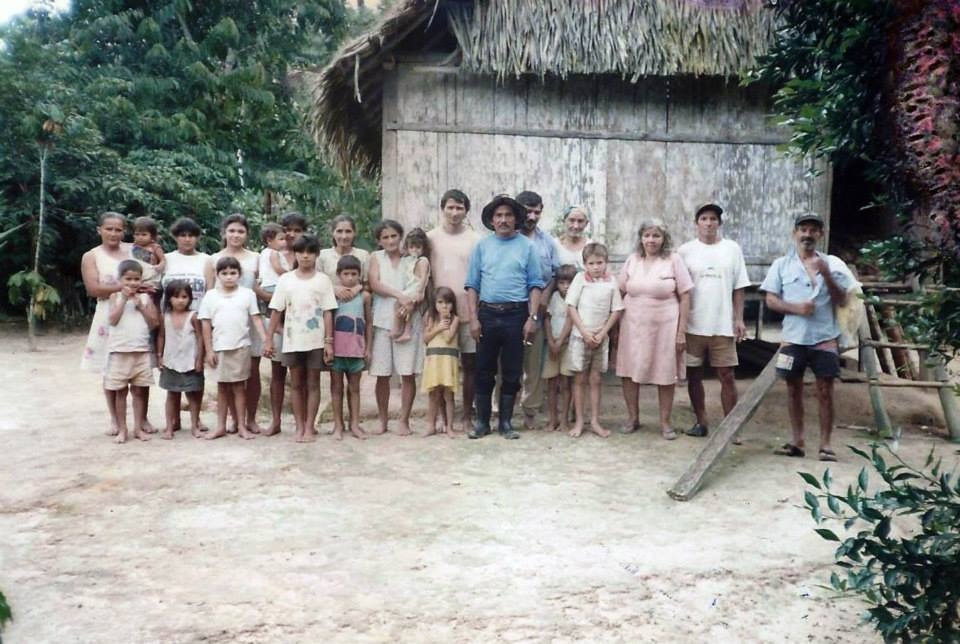
- Promoted environmental education through the Tapiri Project by integrating environmental topics into the RECA project.
1996 to 2007:
- Received support at different times from USAID and the Moore Foundation, enabling investments of over US$3 million in the Vale do Juruá region. These funds prioritized projects that developed participatory management solutions involving local communities.
1998 to 2006:
- Promoted environmental education projects aimed at improving environmental management in public schools. Conducted ongoing teacher training to integrate environmental topics into middle school curricula, in partnership with city halls and WWF.
2002:
- Created and established the Consultative Council for Serra do Divisor National Park.
2003:
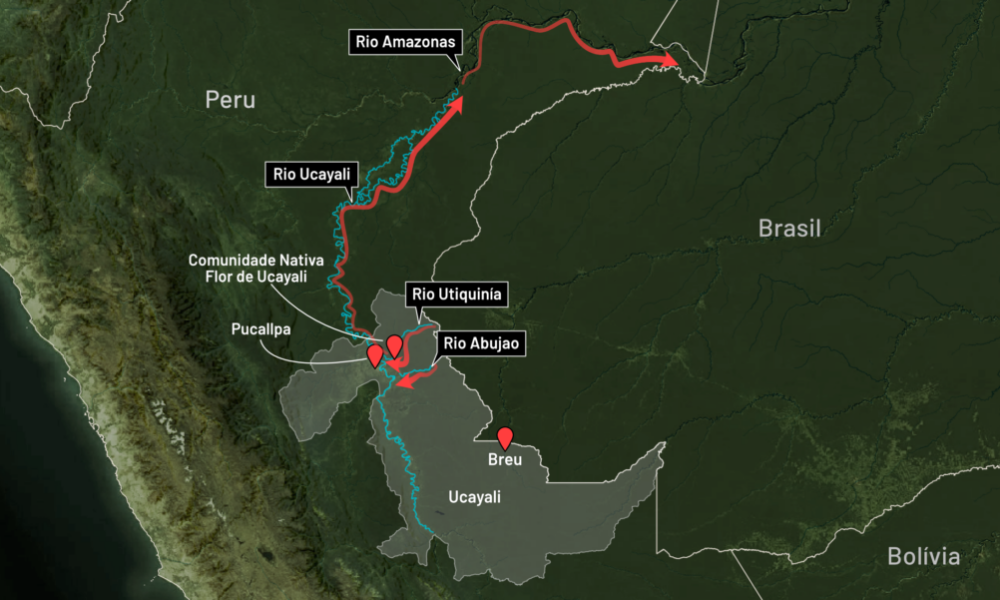
- Coordinated initiatives in the Acre (Brazil)–Ucayali (Peru) border region to protect biodiversity and support indigenous communities, in partnership with CPI Acre.
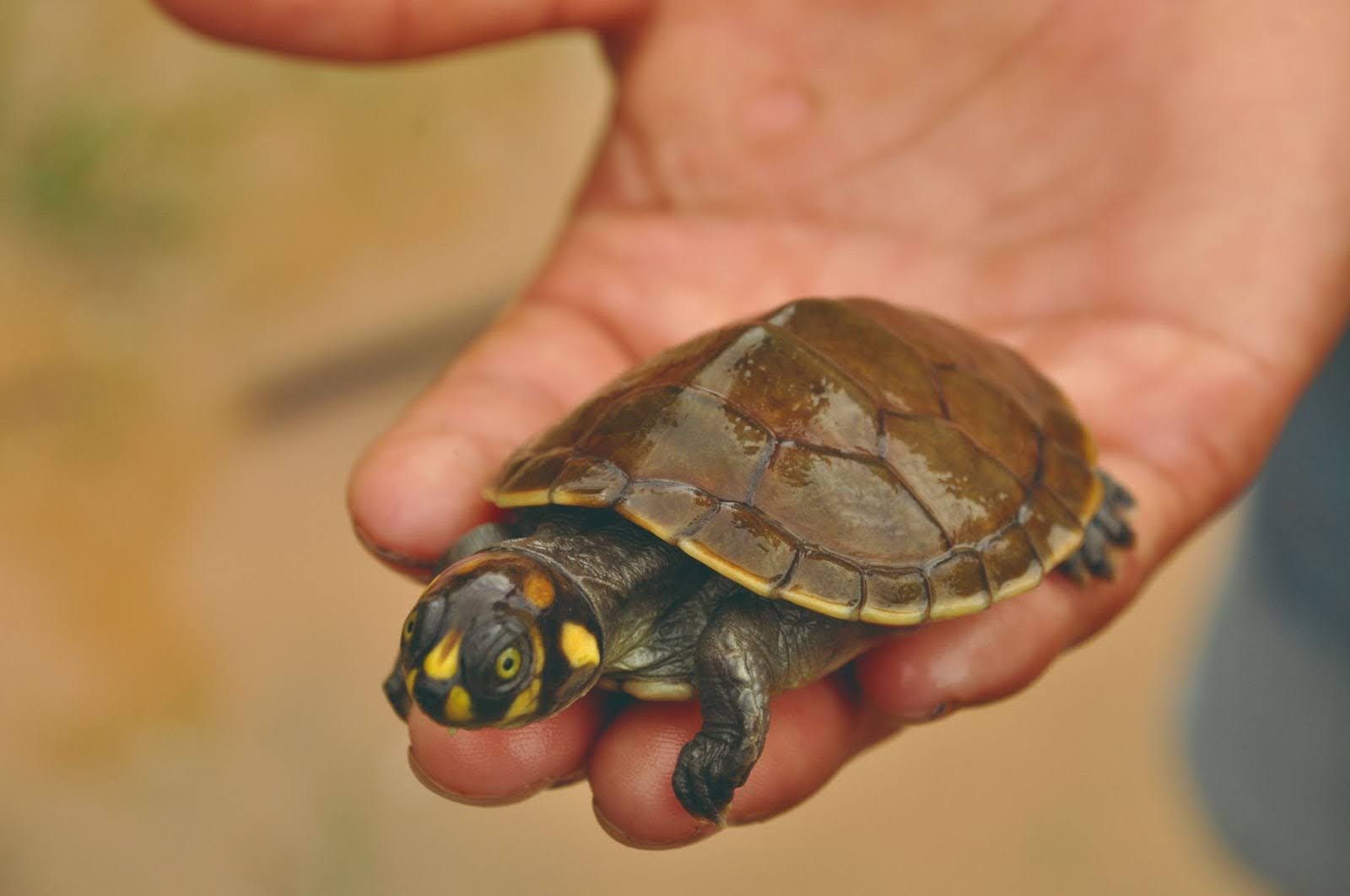
- Implemented monitoring of target species, including chelonians.
- Developed a financial accounting management model.
- Conducted annual external audits.
- Drafted and adopted a proceedings manual.
- Established an institutional code of ethics.
- Implemented professional institutional management, and adopted strategic planning.
- Acquired SOS Amazônia’s headquarters in Cruzeiro do Sul, supported by O Boticário.
- Drafted defense proposals to facilitate the creation of a protected area in Guajará’s Campinaranas region, with WWF support.
2004:
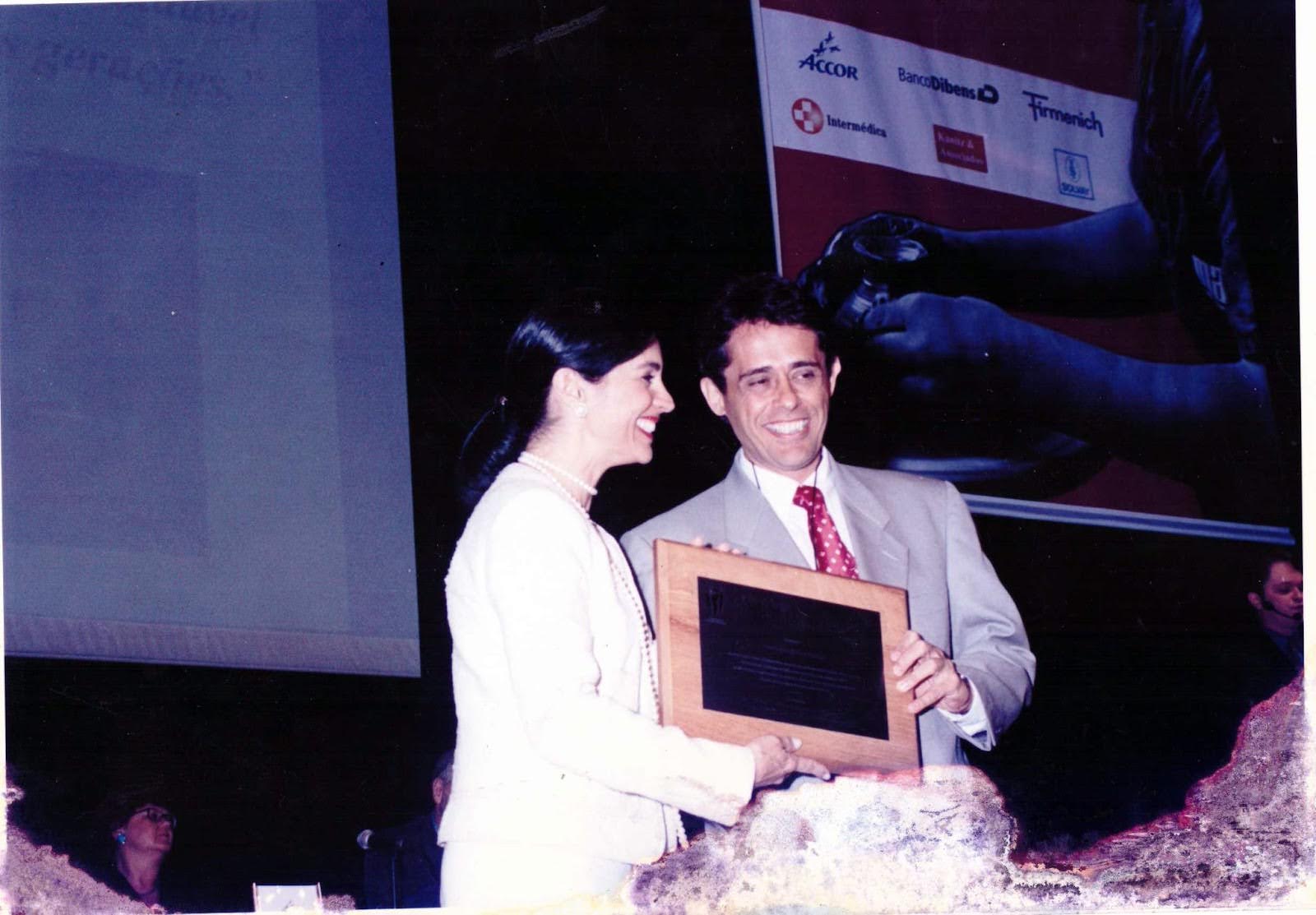
- Earned the Bem Eficiente Institutional Management Award.
2007-2008:
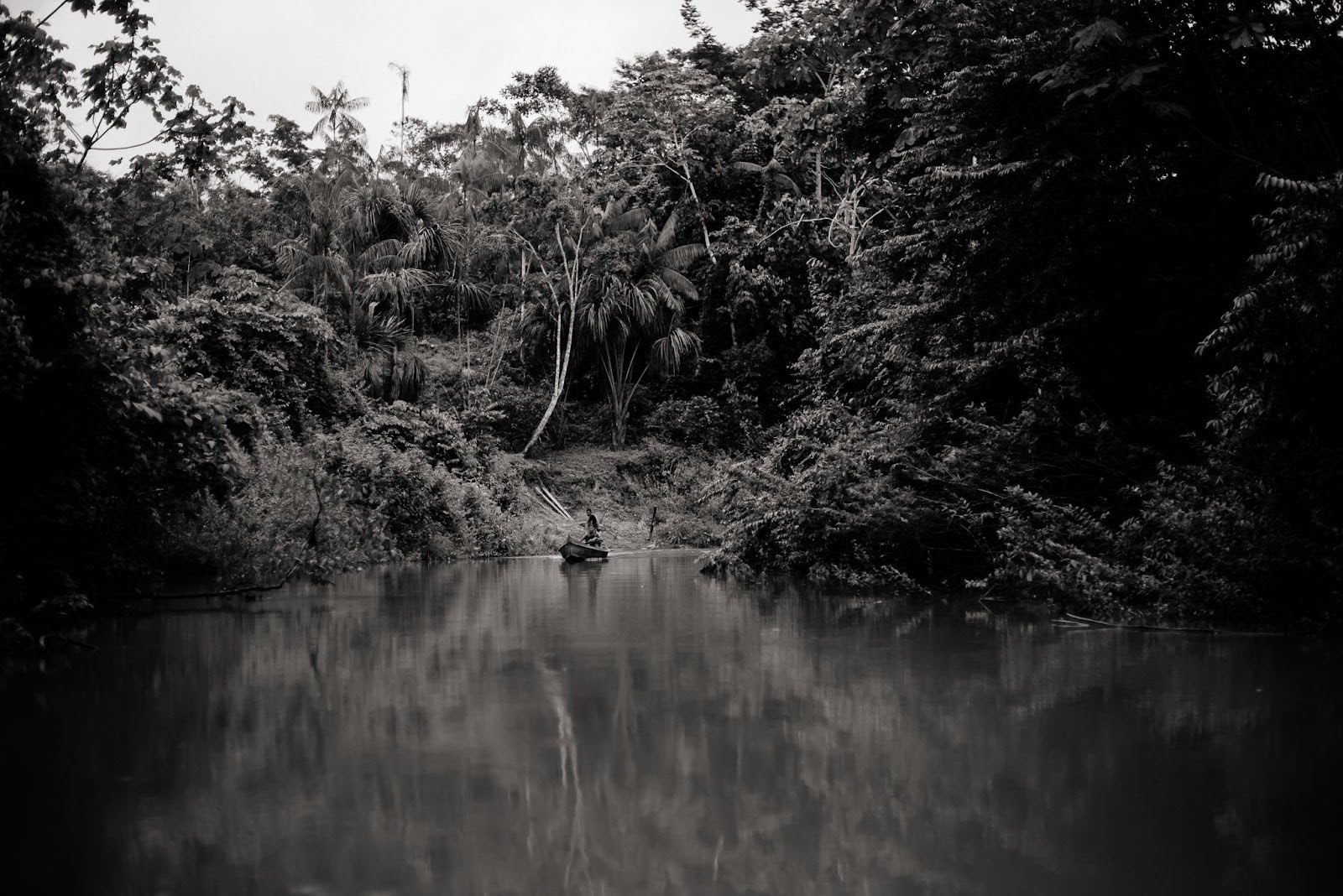
- Supported the socioenvironmental management around the National Park Serra do Divisor, in partnership with Acre’s government, PDSA and BID.
- Strengthened community associations and agroforest production.
2008-2009:
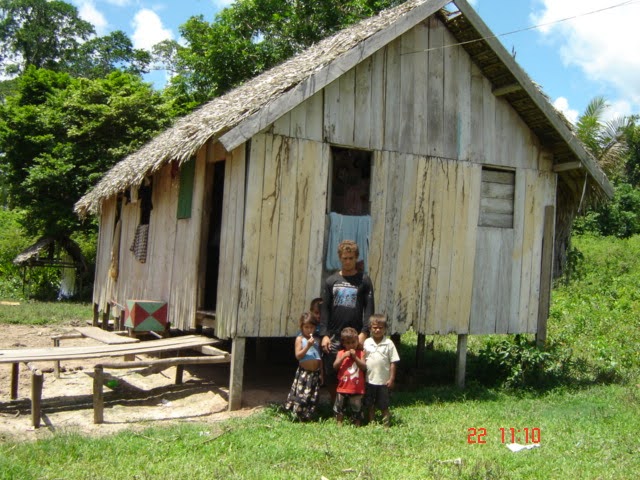
- Produced the Management Plan of Rio Acre’s Ecological Station in partnership with WWF.
- Raised awareness among traditional communities about the production of conservation resources within a protected area mosaic in Marechal Thaumaturgo, Acre. The project aimed to facilitate information exchange between riverine producers who protect chelonian spawning, in partnership with the Ministry of Justice and supported by the Diffused Rights Fund through the Economic Rights Secretariat (SDE).
2008-2010:
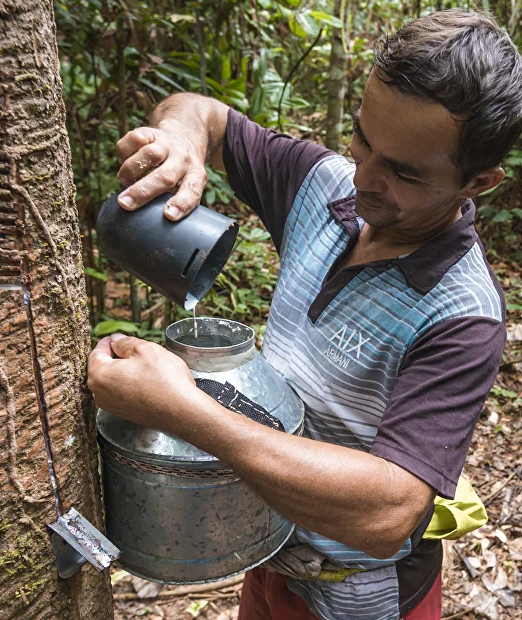
- Promoted the sustainable use of non-wood forest resources in extractive communities in the Juruá Valley, in partnership with FUNBIO and the Ford Foundation.
- Strengthened the murumuru production chain and implemented experimental infrastructure for processing and drying murumuru.
- Developed the Management Plan for Chandless State Park, in partnership with ARPA, FUNBIO, and KfW.
2009-2010:
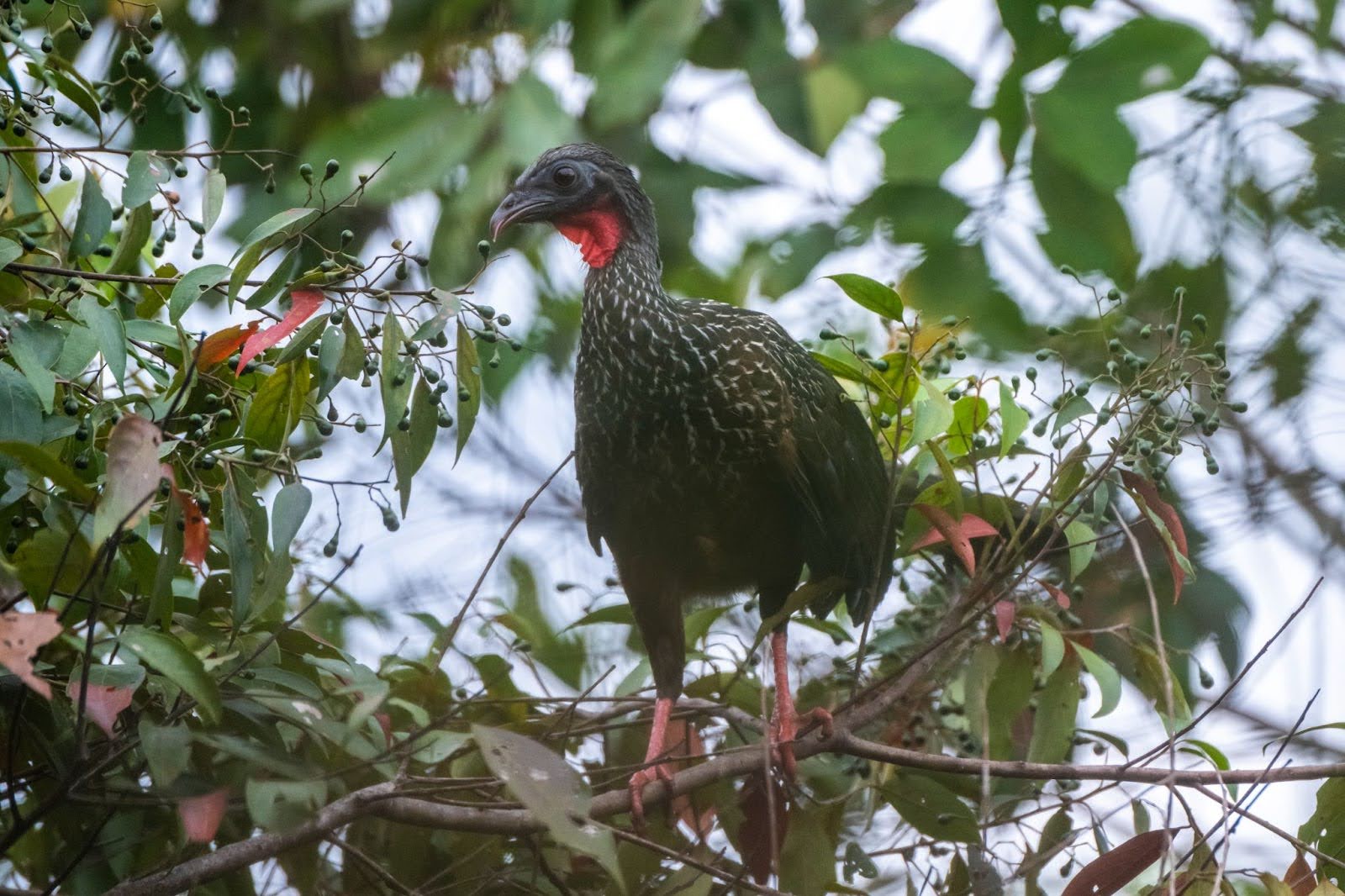
- Launched project “National Park Serra do Divisor: I Protect!” to promote the sustainable use of natural resources.
- Conducted research on the potential of extractive products and handicrafts.
- Facilitated exchanges between regional communities and organized visits for community members to the AVIVE Association in Silves, Amazonas.
- Promoted courses for the strengthening of community associations.
- Drafted a project proposal aimed at structuring rubber production into liquid smoked leaf, in partnership with FUNBIO.
- Implemented participatory chelonian management in Mamoadate Indigenous Territory, Sena Madureira, Acre, in collaboration with MDA.
- Created a Management Plan for the Environmental Protection Area Amapá Lake in partnership with SEMA Acre.
- Created Community Development Plans in collaboration with SEMA Acre, PROACRE and BID.

2010-2012:
- Conducted research on the vegetable oil production chain, subsequently, performed a qualitative and quantitative analysis of the murumuru production chain.
- Enhanced Acre–Ucayali border cooperation by coordinating integration efforts, facilitating the exchange of sustainable forest resource practices, and supporting joint biodiversity monitoring and protection initiatives, in partnership with OTCA and GIZ financial coordination.
2011-2012:
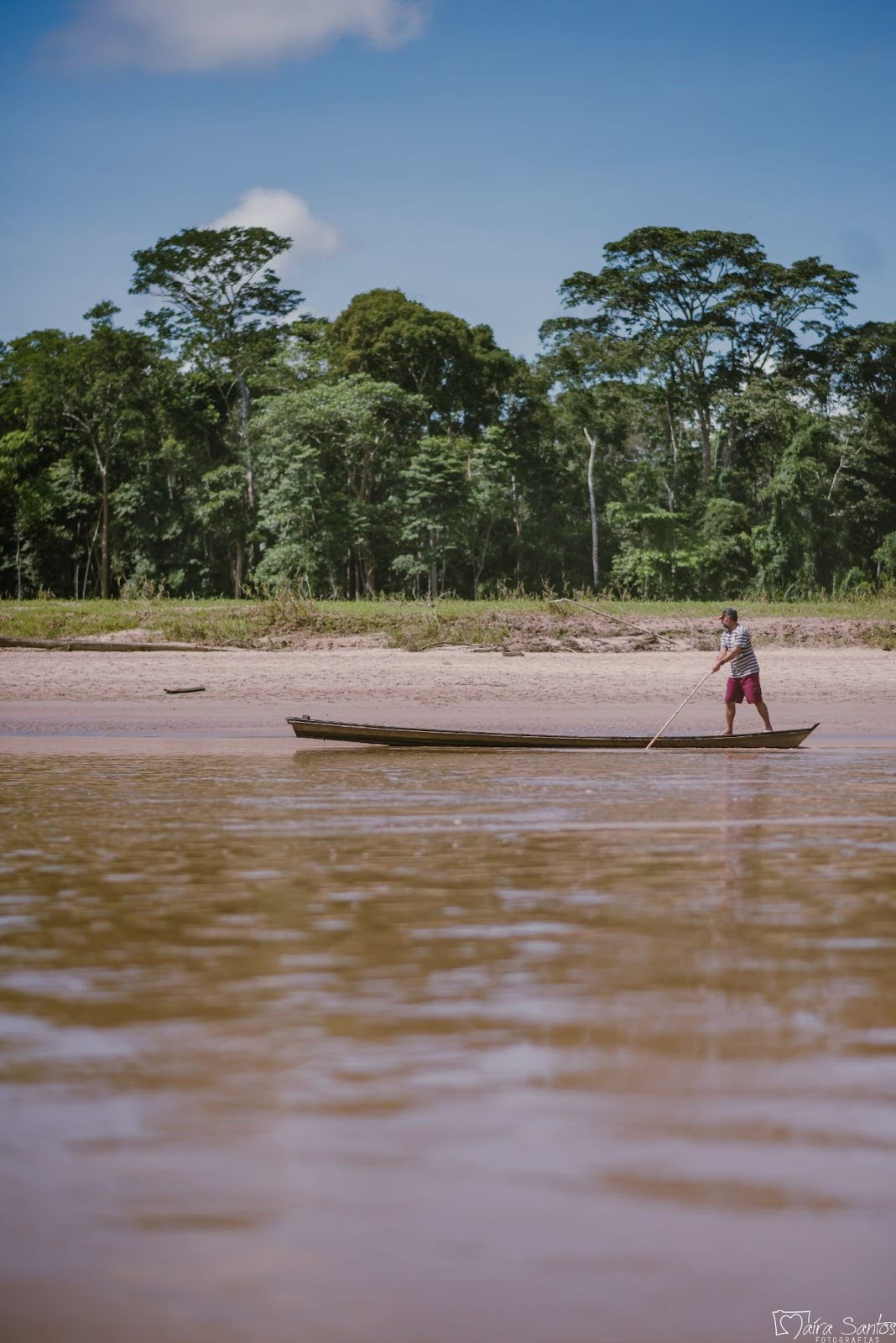
- Assisted 204 riverine producer families in initiating their technological transition toward agroecology, in partnership with SEAPROF/Acre.
- Developed the Management Plan for the Raimundo Irineu da Silva Environmental Protection Area, funded through environmental compensation from Via Verde Mall.
- Analyzed community vulnerability in the Igarapé Juruá Sub-basin to climate change impacts, in collaboration with WWF, CONDIAC, the Government of Acre, and HSBC.
2012-2013:
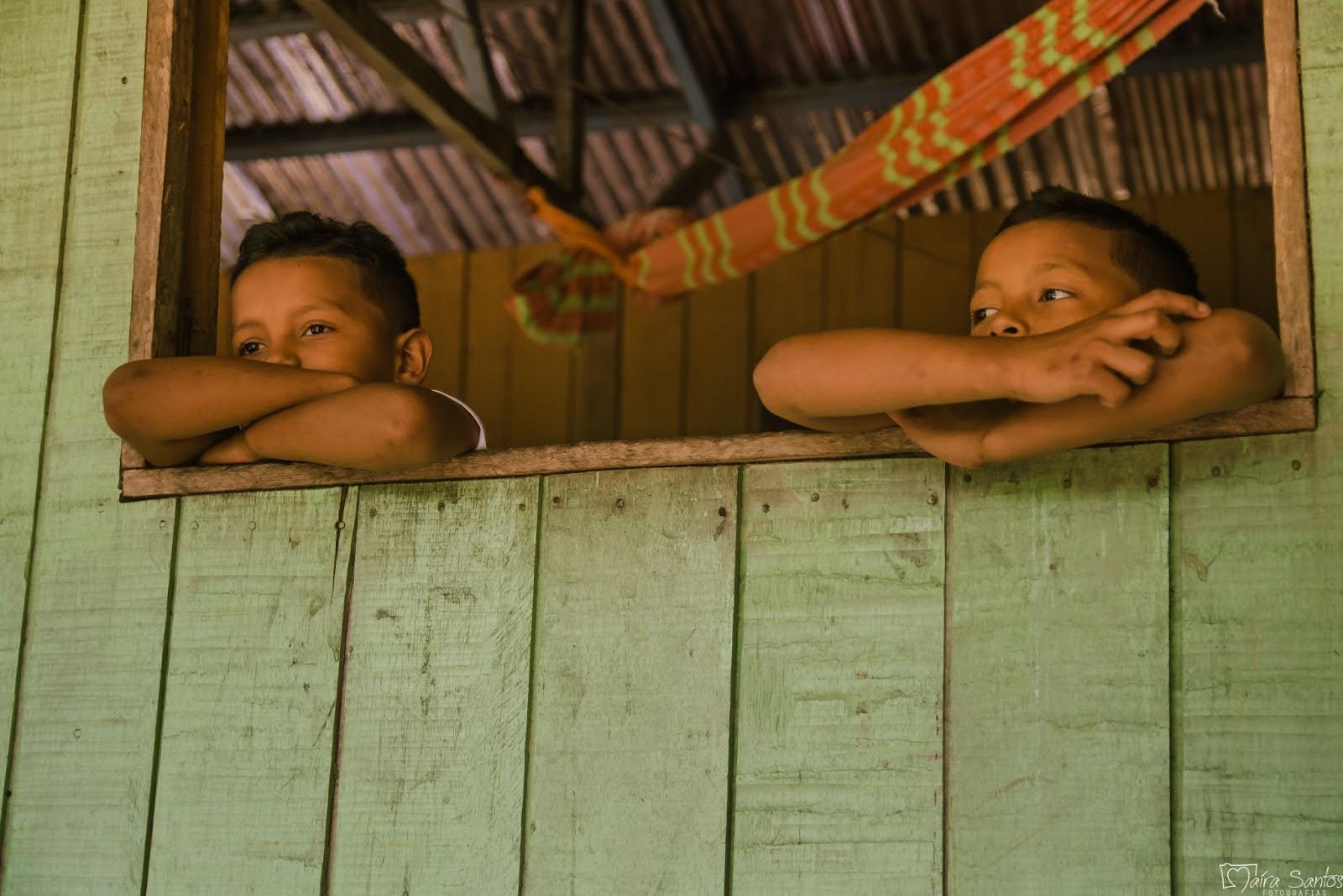
- Developed Community Management Plans for 28 agro-extractive communities, in partnership with SEMA/Acre, extractivenPROACRE, and BID.
- Provided technical assistance to 800 riverine producer families in the Vale do Juruá region, in partnership with MDA.
2013:
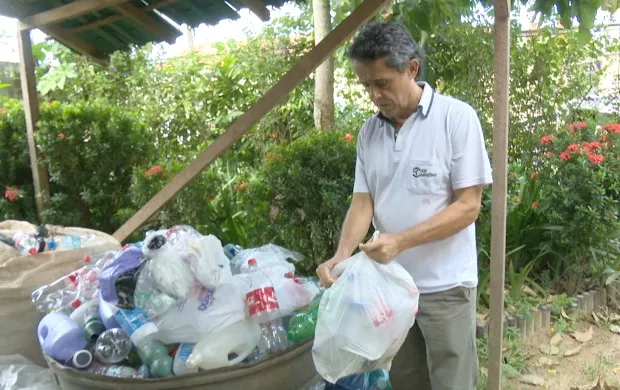
- Launched the SOS Recycling (SOS Reciclagem) campaign.
2013-2014:
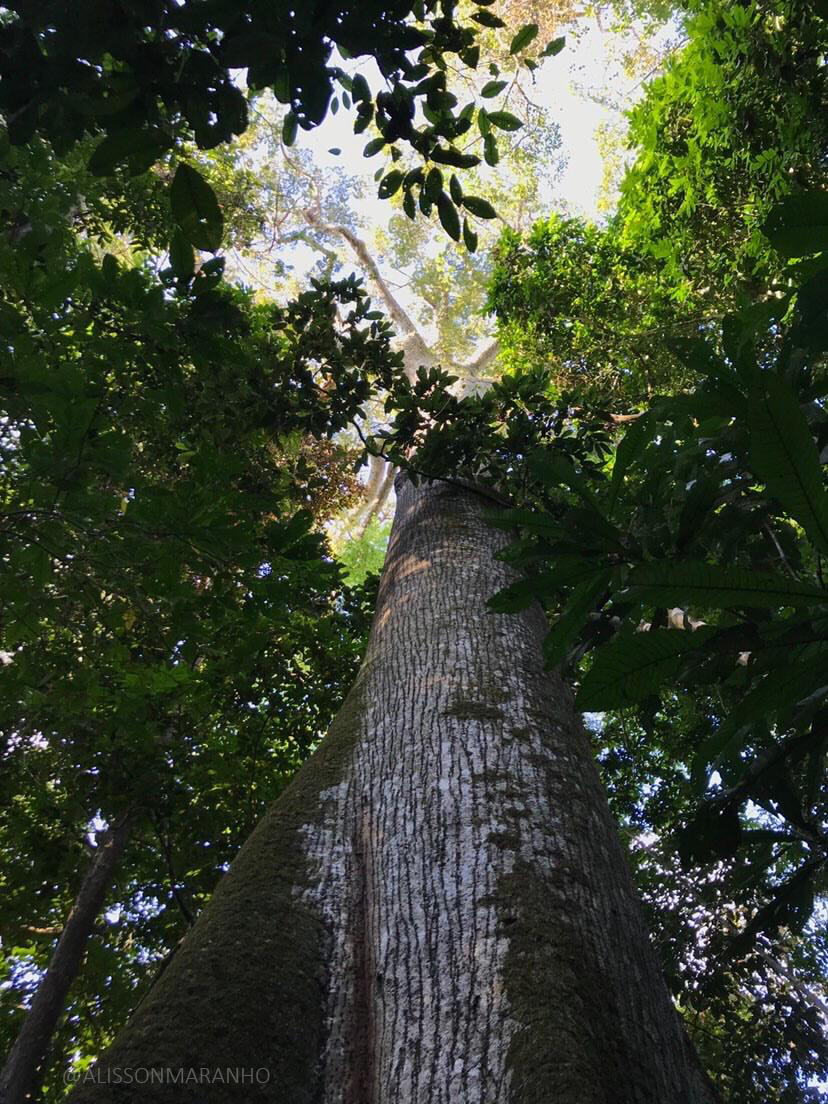
- Provided logistical and technical support for the development of monitoring procedures and the implementation of Management Plans in the Chico Mendes and Cazumba-Iracema Extractive Reserves, including proposing revisions to the Management Plans, in collaboration with WWF and ICMBio.
- Delivered environmental and technical consulting aimed at improving the quality of life of families in the Alto Juruá Extractive Reserve, in collaboration with INCRA and ICMBio.
2014-2015:
Provided institutional and economic consulting, along with technical support, to CATAR (Association of Reusable Waste Pickers of Rio Branco) through the Água Brasil program, in partnership with WWF.
- Delivered training and capacity-building for producers, technicians, and public and NGO managers on global climate change, forest management, and State Systems of Incentives for Environmental Services of Acre (SISA), in collaboration with IMC and KfW.
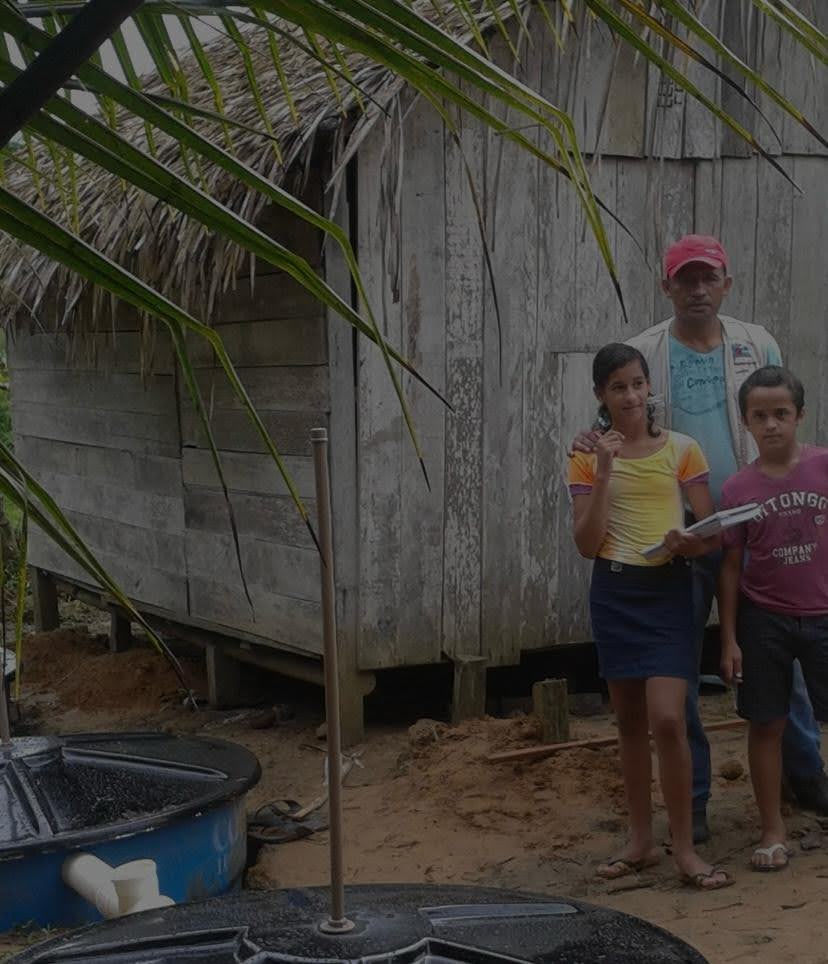
- Carried out the installation of biodigestive septic tanks in key communities of the Paraná dos Mouras River basin, in collaboration with WWF and the Trata Brasil Institute, funded by HSBC Solidariedade.
Provided institutional and economic consulting, along with technical support, to CATAR (Association of Reusable Waste Pickers of Rio Branco) through the Água Brasil program, in partnership with WWF.
2015:
- Joined the national campaign #dayofdonating (#diadedoar), created to promote the charity culture in Brazil
2015-2017:
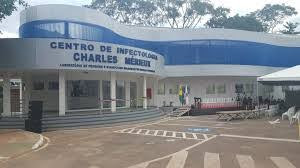
- Coordinated the construction of the Molecular Biology Laboratory, funded by the French Mérieux Foundation, in partnership with the Government of Acre and the Federal University of Bahia.
2015-2018:
- Launched the Amazon Values (Valores da Amazônia) initiative to structure, integrate, and strengthen three productive chains—vegetable oils, wild cacao, and wild rubber—in the states of Acre and Amazonas, in partnership with the Amazon Fund and BNDES.
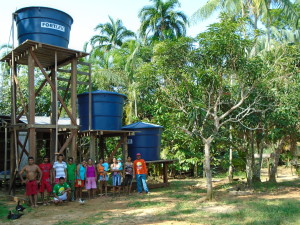
- Initiated the Amazon Swage (Sanear Amazônia) project, implementing a household system for the collection and storage of rainwater, in partnership with MDS.
2015-2019:
- Delivered technical assistance and rural extension services through the ATER Agroecology program, supporting 800 riverine producer families in communities across the Vale do Juruá, in partnership with SEAD.
- Provided technical, environmental, and social consulting to 1,200 families in the Alto Juruá Extractive Reserve through ATES Resex.
2015-2023:
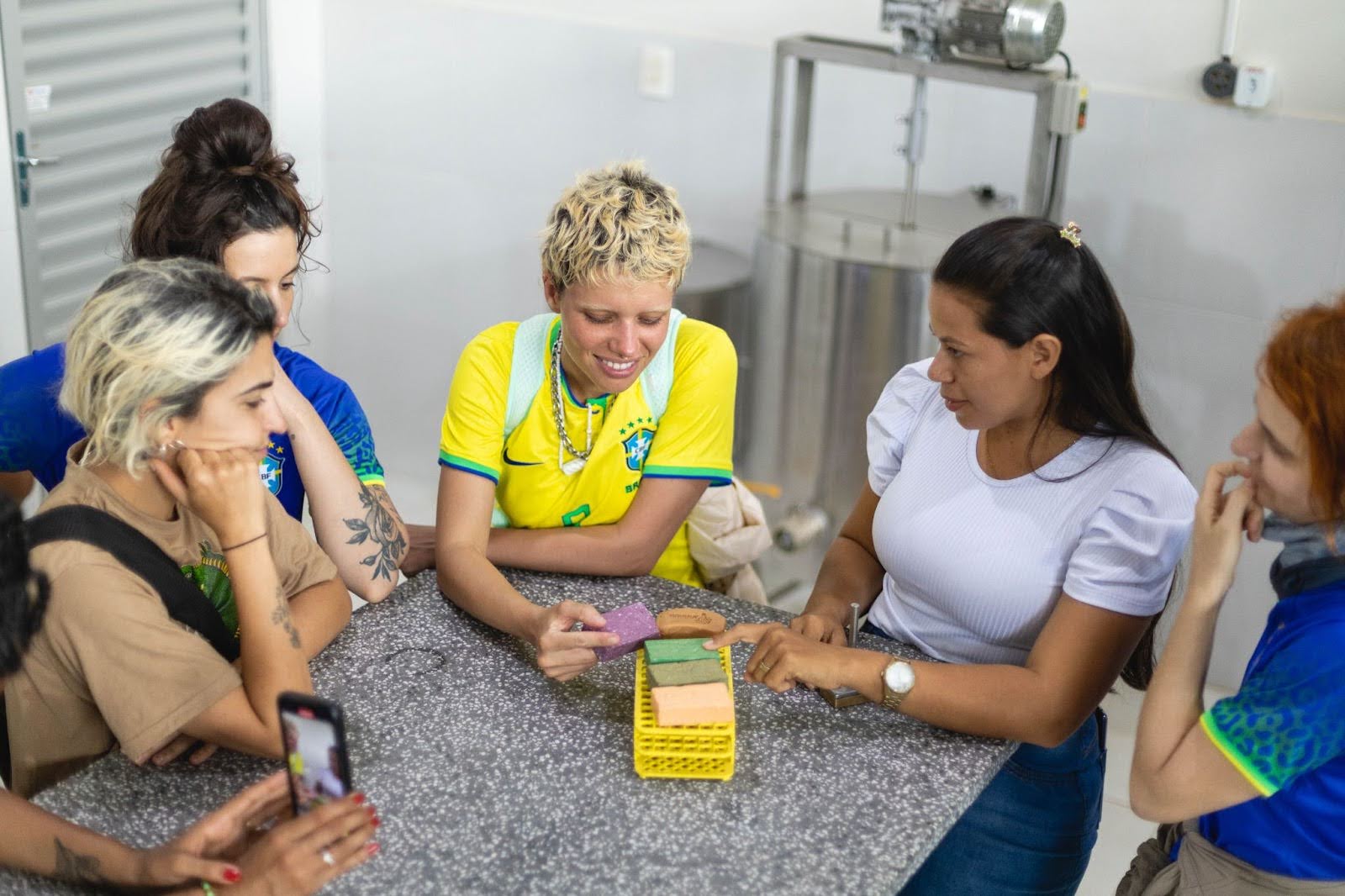
- Established the Association of Women Rural Workers United by Freedom, Humanity, and Love (Amuralha) to advance socio-productive initiatives and gender inclusion in the forest business chain, in collaboration with the Amazon Fund and the Christophe & Rodolphe Mérieux Foundation.
2018:
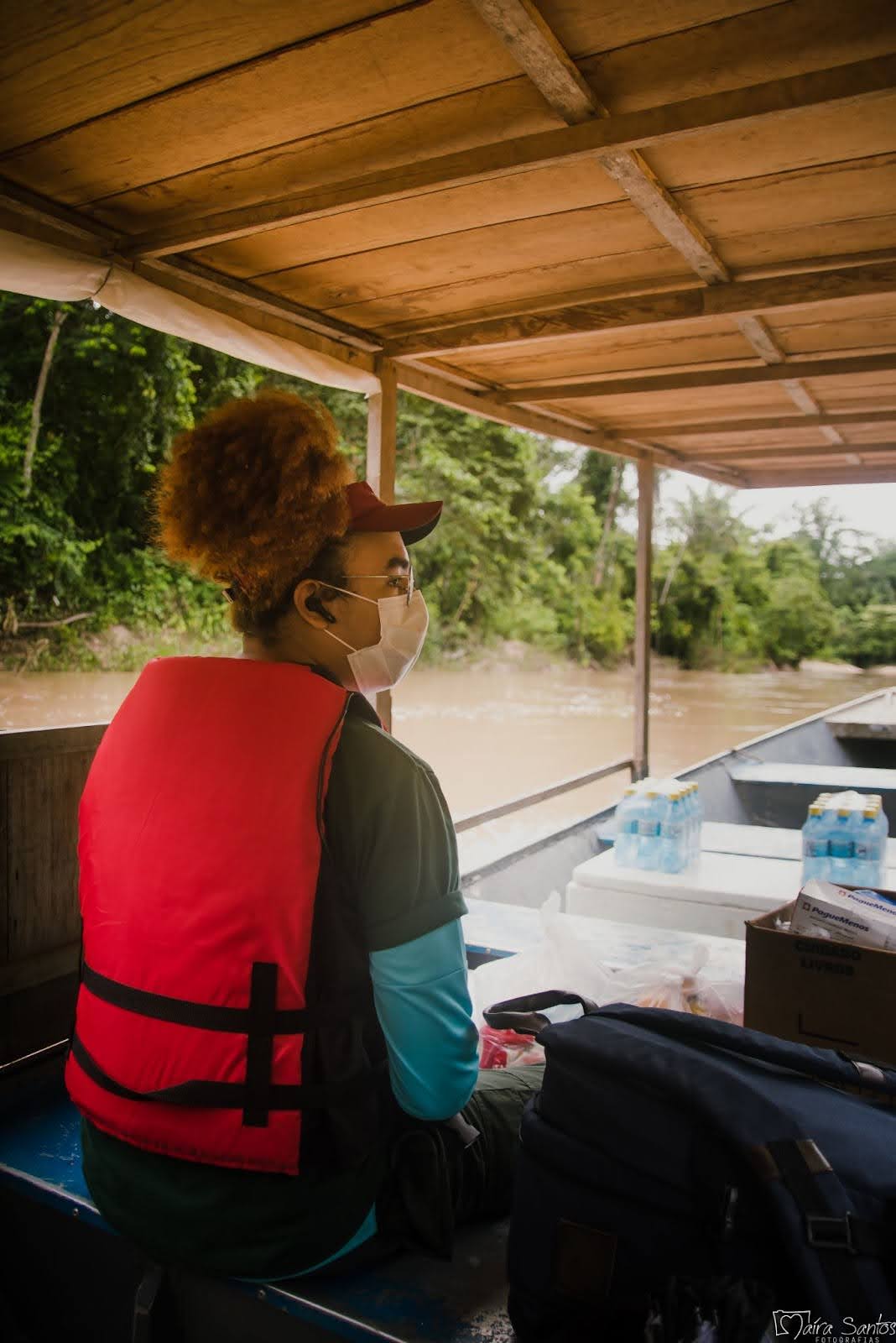
- Strengthened the capacity of 16 community organizations participating in non-wood forest management initiatives through technical support, emphasizing social organization and small business management, in collaboration with BID, the Government of Acre, and SEMA.
2019:
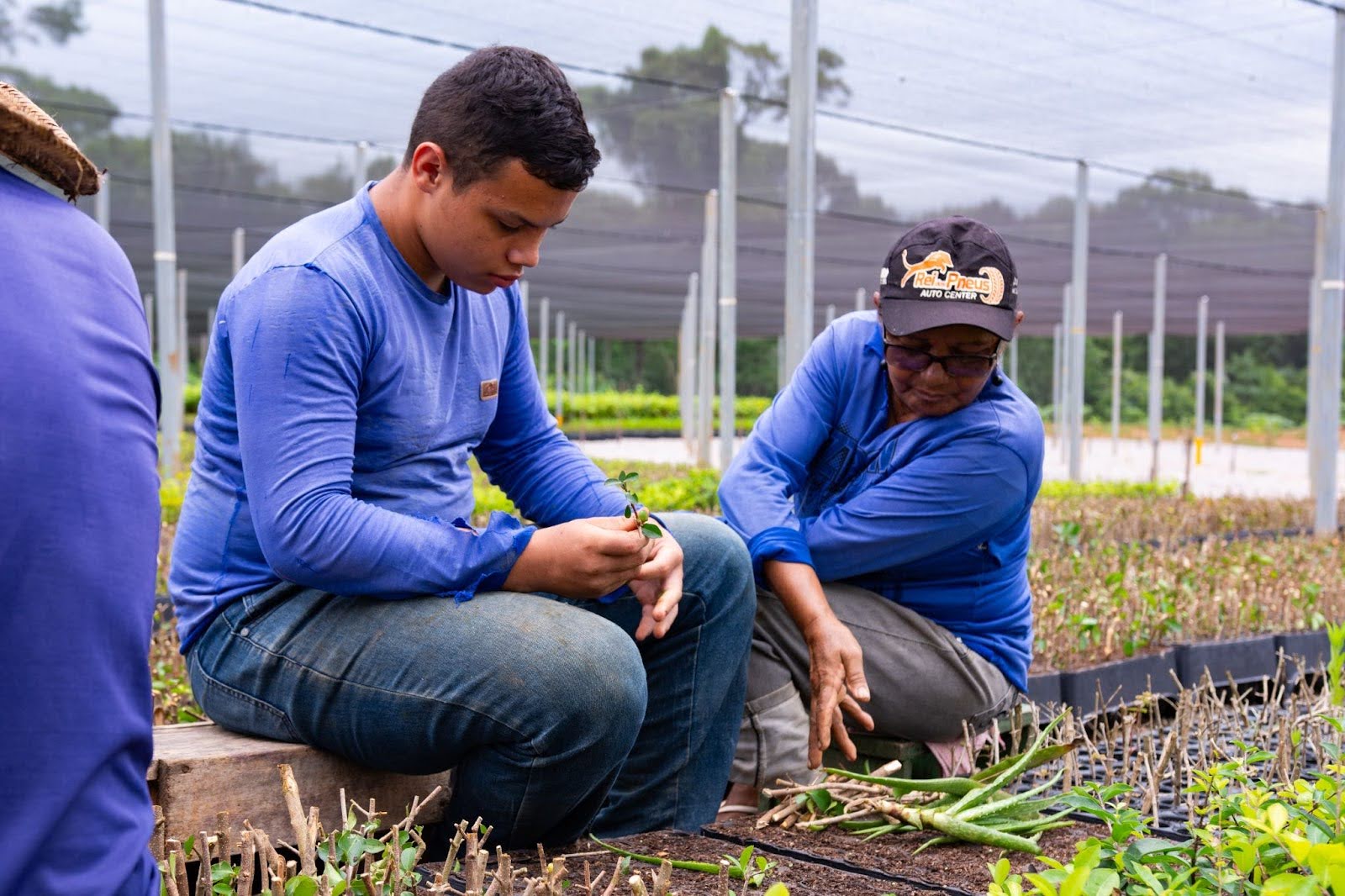
- Initiated the Forest’s Health (Saúde das Florestas) project to advance knowledge of forest biodiversity and carbon sequestration, in collaboration with the University of Florida, UFAC, and USAID.
- Launched Nossabio to enhance governance and community management in Conservation Units and promote sustainable socio-biodiversity value chains—such as açaí, wild cacao, rubber, wood handicrafts, and ecotourism—supported by LIRA–IPÊ and funded by the Amazon Fund and the Gordon & Betty Moore Foundation.
- Started Amazon Firefighters (Brigadas da Amazônia) to support rural and extractive communities and encourage dialogue on minimizing fire use in farming practices.
- Established Make Forest Flourish (Faça Florescer Floresta) to promote the restoration of degraded areas, including spring zones, through the implementation of Agroforestry Systems (ASs)—intercropping forest, fruit-bearing, and palm species to support both ecological and economic objectives. In partnership with TCFF, CI, OTP, Nike, PMI, and Amz Eu Projeto.
- Created the Socio-Environmental Observatory of Acre (Observatório Socioambiental do Acre) to monitor and disseminate information on public policy agendas related to conservation and environmental management, supported by the Clima e Sociedade Institute.

2022:
- Launched Amazon Phytotherapics (Fitoterápicos da Amazônia) to strengthen the medicinal plant sector in organizations representing Indigenous peoples, traditional communities, and family farmers in the Amazon biome, supported by UNDP and the Global Environment Facility (GEF).
2022-2023:
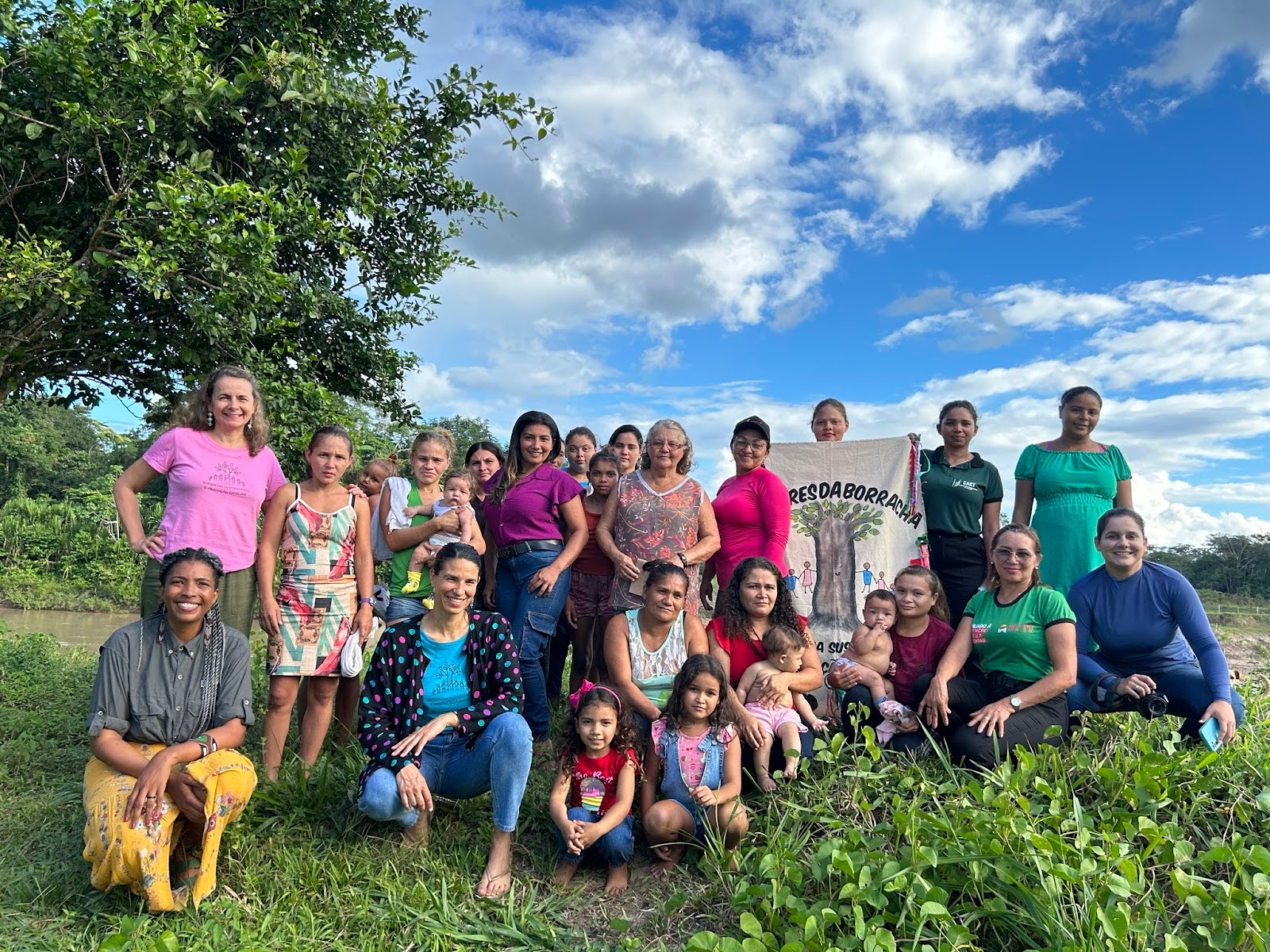
- Launched Rubber’s Women (Mulheres da Borracha) to increase visibility of women’s contributions to the wild rubber value chain in Acre. In family farming-based production, women are involved in all stages of the chain, from tapping to marketing. In partnership with IDS and Vert.
Soul Amazônia: by supporting SOS Amazônia, you contribute to caring for nature and – beyond that – planting a tree.
Make part of your history!
Make part of your history!