The New Year’s celebration invites us to reflect on our learnings, achievements, and challenges. To renew is to believe that the future can be better than the present. And there is no better way to cross the path from the past into the future, from the old year into the new, than with gratitude.
Our sincere thank you to everyone who supports the Amazon: partners, community members, advisors, associates, donors, followers, and all those who accompany us.
Our sincere thank you to everyone who supports the Amazon: partners, community members, advisors, associates, donors, followers, and all those who accompany us.
We are Amazon.

Check out 23 reasons to remember SOS Amazônia’s actions over the past year—plus a bonus to celebrate the arrival of 2024!
1st - Earth Day
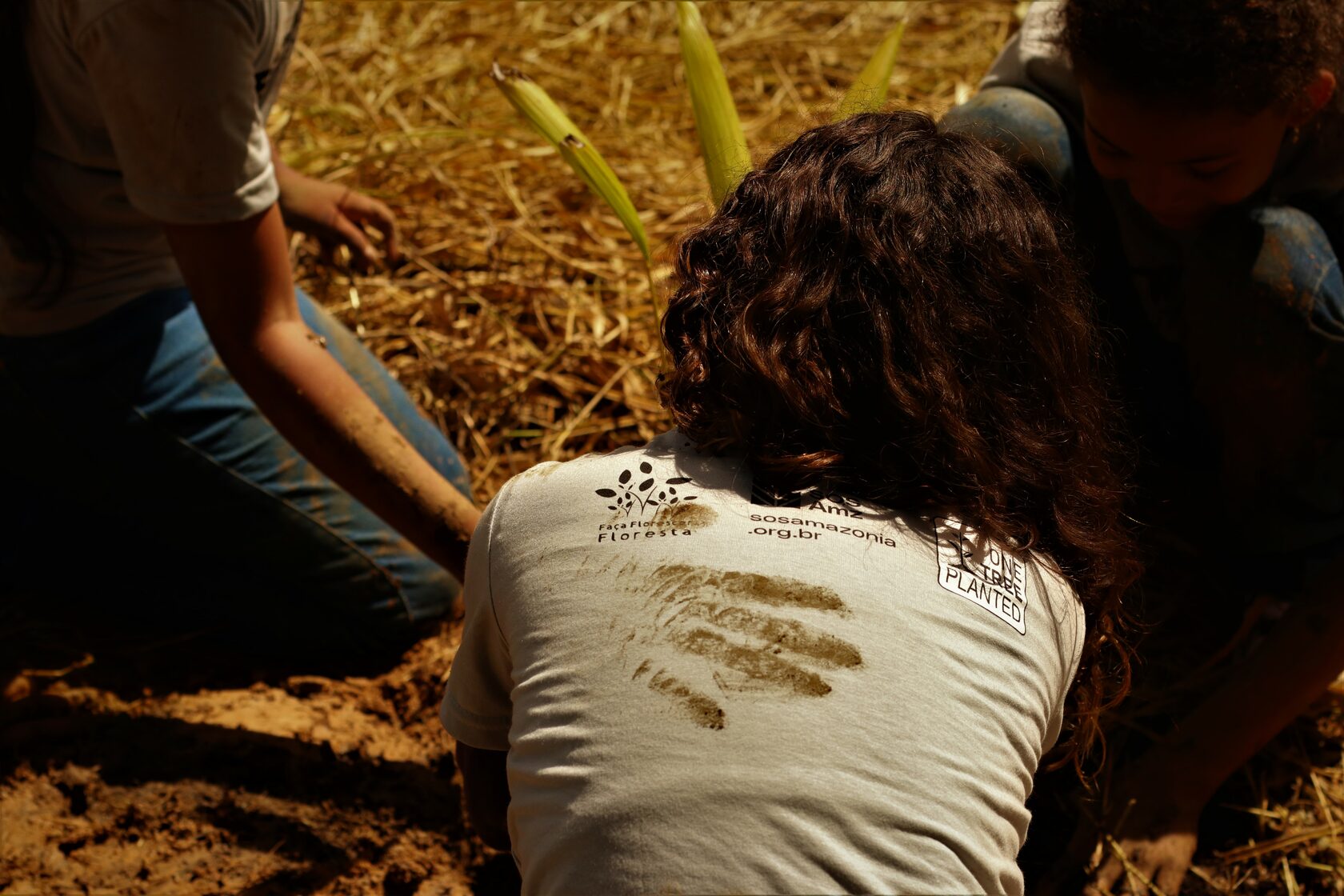
Planting a tree is a thoughtful gesture toward the planet and future generations. To celebrate Earth Month, SOS Amazônia and One Tree Planted organized a collective tree-planting event from April 10 to 12 along the Iquiri River, in Vila Hortigranjeira, Capixaba. The event brought together educators, SOS Amazônia staff, community partners, and around 60 middle school students.
1st - Earth Day
Planting a tree is a thoughtful gesture toward the planet and future generations. To celebrate Earth Month, SOS Amazônia and One Tree Planted organized a collective tree-planting event from April 10 to 12 along the Iquiri River, in Vila Hortigranjeira, Capixaba. The event brought together educators, SOS Amazônia staff, community partners, and around 60 middle school students.
2nd - Women’s World Cup
To celebrate women’s strength on the soccer field, Nike and the Brazilian Football Confederation (CBF) launched the campaign “Play Forever” (Joga Pra Sempre) to present the Brazilian national team's complete uniform collection for the 2023 Women’s World Cup, inspired by Amazonian palm trees such as buriti, jaci, and jarina.
To celebrate women’s strength on the soccer field, Nike and the Brazilian Football Confederation (CBF) launched the campaign “Play Forever” (Joga Pra Sempre) to present the Brazilian national team's complete uniform collection for the 2023 Women’s World Cup, inspired by Amazonian palm trees such as buriti, jaci, and jarina.

3rd - Public Interest Civil Action
The Federal Court of Acre ruled in favor of the Public Interest Civil Action filed by SOS Amazônia, the Organization of Indigenous Peoples of Rio Juruá (OPIRJ), the Pro-Indigenous Commission of Acre (CPI-Acre), the Coordination of the Indigenous Organizations of the Brazilian Amazon (COIAB), and the National Council of Extractivist Populations (CNS), to halt the construction of a road between the municipalities of Cruzeiro do Sul (Acre) and Pucallpa (Peru) until a study on economic, social, and environmental viability is conducted.
The Federal Court of Acre ruled in favor of the Public Interest Civil Action filed by SOS Amazônia, the Organization of Indigenous Peoples of Rio Juruá (OPIRJ), the Pro-Indigenous Commission of Acre (CPI-Acre), the Coordination of the Indigenous Organizations of the Brazilian Amazon (COIAB), and the National Council of Extractivist Populations (CNS), to halt the construction of a road between the municipalities of Cruzeiro do Sul (Acre) and Pucallpa (Peru) until a study on economic, social, and environmental viability is conducted.
4th - March of the Daisies (Marcha das Margaridas)
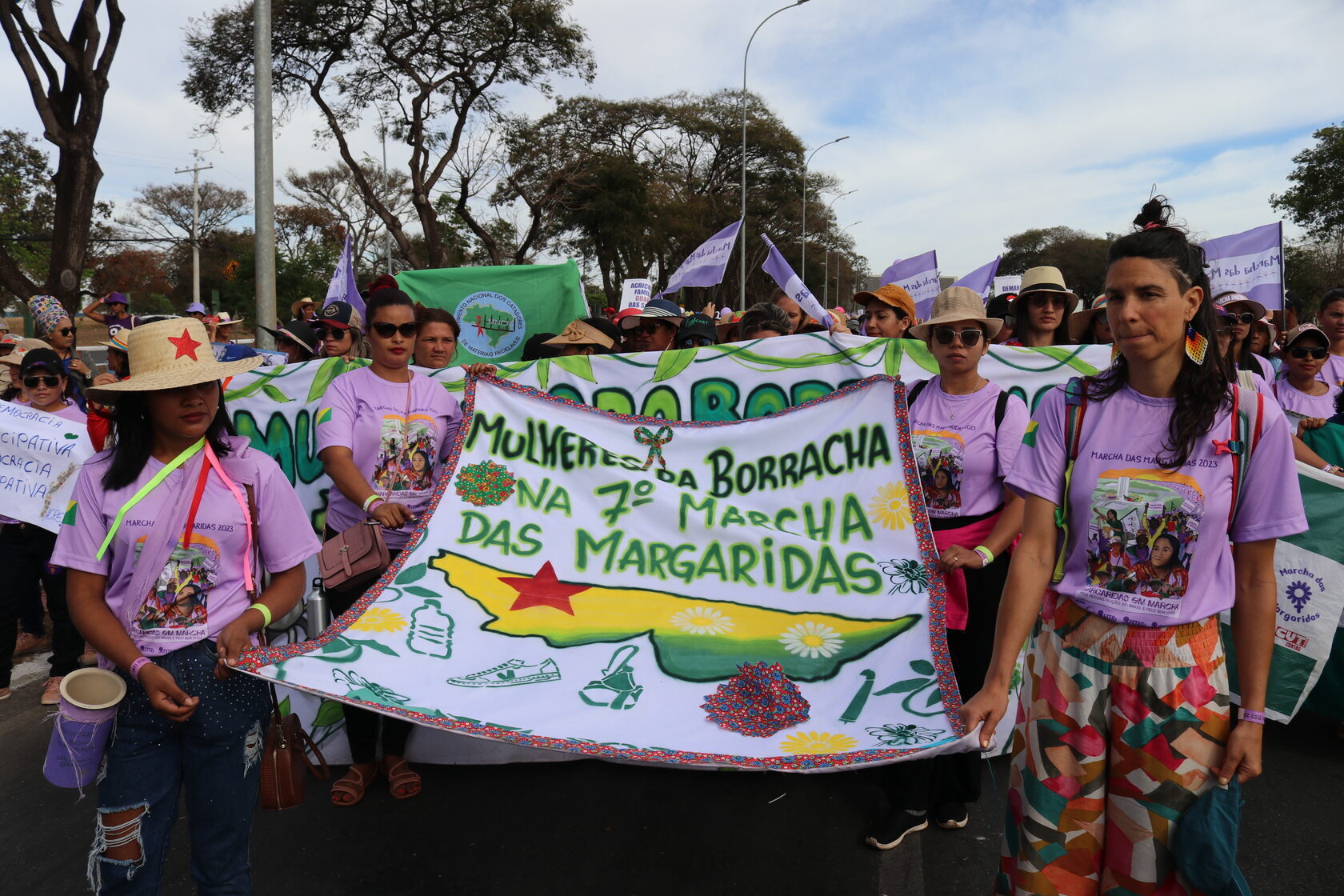
Acre was represented at the 7th edition of the March of the Daisies (Marcha das Margaridas), held in Brasília from August 15 to 16, by a delegation of 56 women from 11 of the state’s 22 municipalities. The participants come from extractivist communities connected to the rubber value chain and are involved in the Rubber’s Women (Mulheres da Borracha) project, developed by SOS Amazônia, the Social Development Institute, and the company Veja, which supported the delegation’s participation in the March.
Acre was represented at the 7th edition of the March of the Daisies (Marcha das Margaridas), held in Brasília from August 15 to 16, by a delegation of 56 women from 11 of the state’s 22 municipalities. The participants come from extractivist communities connected to the rubber value chain and are involved in the Rubber’s Women (Mulheres da Borracha) project, developed by SOS Amazônia, the Social Development Institute, and the company Veja, which supported the delegation’s participation in the March.
5th - Opening of SOS Amazônia Nursery
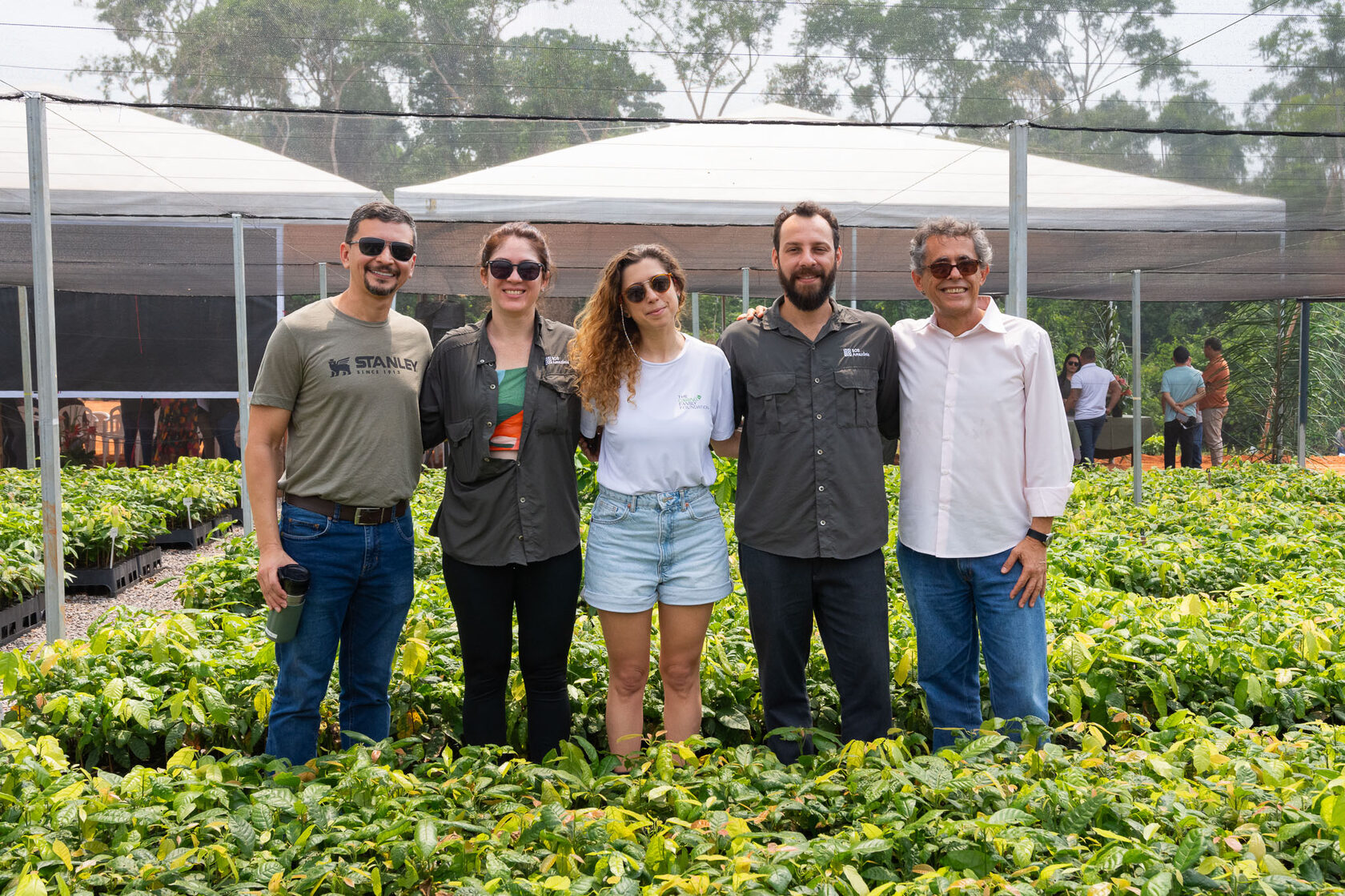
To celebrate its 35th anniversary, SOS Amazônia inaugurated a nursery on September 29 for the production of forestry, fruit-bearing, and palm seedlings, aiming to enhance its forest restoration efforts. The nursery, built with the support of The Carrying Family Foundation (TCFF), Stanley, and Nike, is located in a strategic region of Acre—the state with the highest deforestation rates caused by livestock farming as well as soy and sugarcane plantations.
To celebrate its 35th anniversary, SOS Amazônia inaugurated a nursery on September 29 for the production of forestry, fruit-bearing, and palm seedlings, aiming to enhance its forest restoration efforts. The nursery, built with the support of The Carrying Family Foundation (TCFF), Stanley, and Nike, is located in a strategic region of Acre—the state with the highest deforestation rates caused by livestock farming as well as soy and sugarcane plantations.
6th - 35 Years Birthday
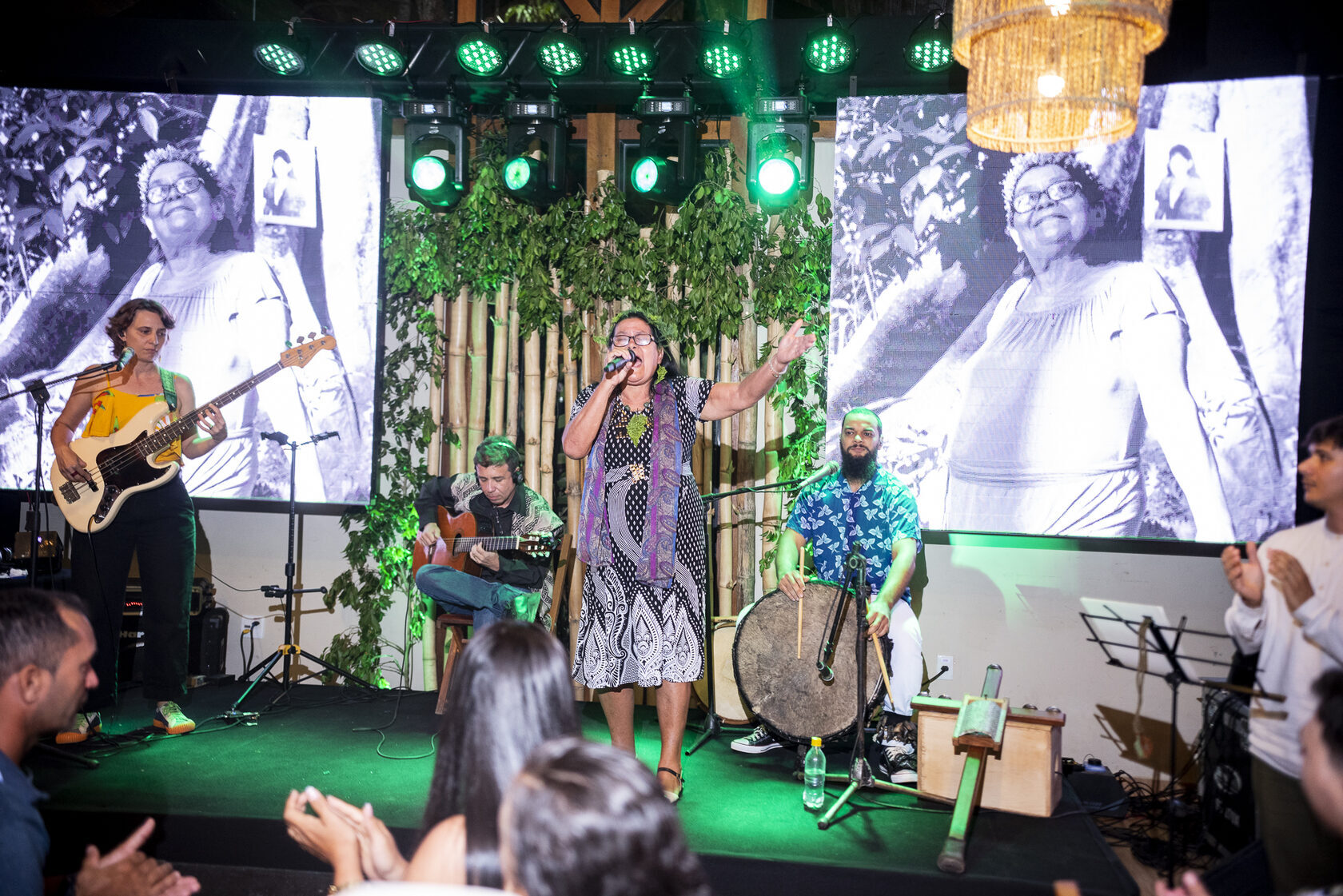
35 years since the founding of SOS Amazônia, an NGO created with the mission to promote biodiversity conservation and raise environmental awareness. These have been 35 years filled with memories, achievements, and some unavoidable losses along the way—accompanied by a strong commitment to contribute to a healthier and more balanced world. To celebrate this milestone, we held a ceremony on September 30, attended by founders, advisors, community partners, staff members, and friends, featuring the special artistic performances of Zenaide Parteira and Baquemirim as the evening’s great artistic attractions.
35 years since the founding of SOS Amazônia, an NGO created with the mission to promote biodiversity conservation and raise environmental awareness. These have been 35 years filled with memories, achievements, and some unavoidable losses along the way—accompanied by a strong commitment to contribute to a healthier and more balanced world. To celebrate this milestone, we held a ceremony on September 30, attended by founders, advisors, community partners, staff members, and friends, featuring the special artistic performances of Zenaide Parteira and Baquemirim as the evening’s great artistic attractions.
7th - Nossabio Final Evaluation Seminary
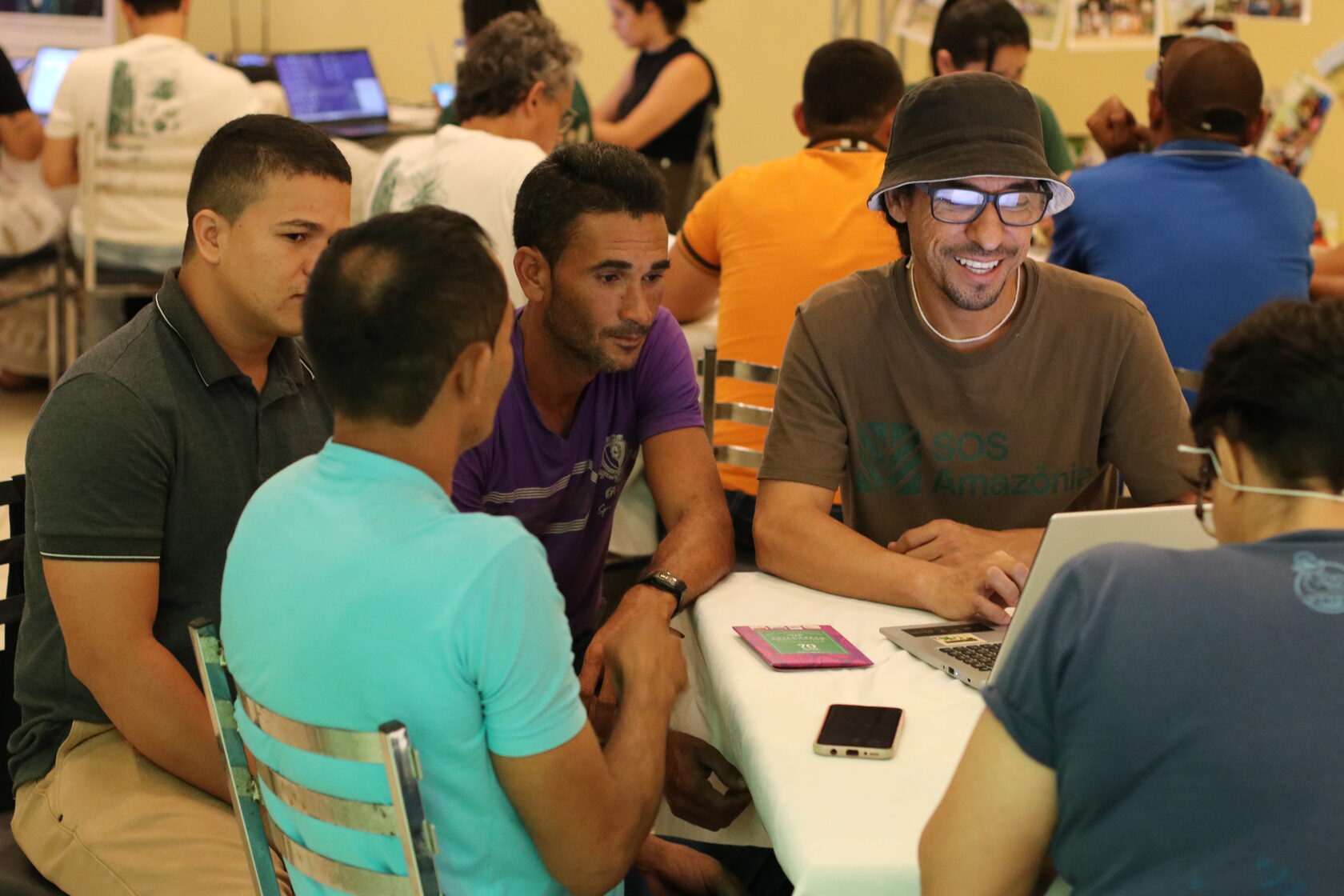
The Final Evaluation Seminar aimed to share the results, experiences, and challenges encountered during the execution of the Nossabio project. The event was held at the Terraverde Hotel in Rio Branco from October 10 to 11 and included the participation of extractivists, researchers, representatives of community associations, cooperatives, and companies connected to the project.
The Final Evaluation Seminar aimed to share the results, experiences, and challenges encountered during the execution of the Nossabio project. The event was held at the Terraverde Hotel in Rio Branco from October 10 to 11 and included the participation of extractivists, researchers, representatives of community associations, cooperatives, and companies connected to the project.
8th - Native Map (Mapa Originário)
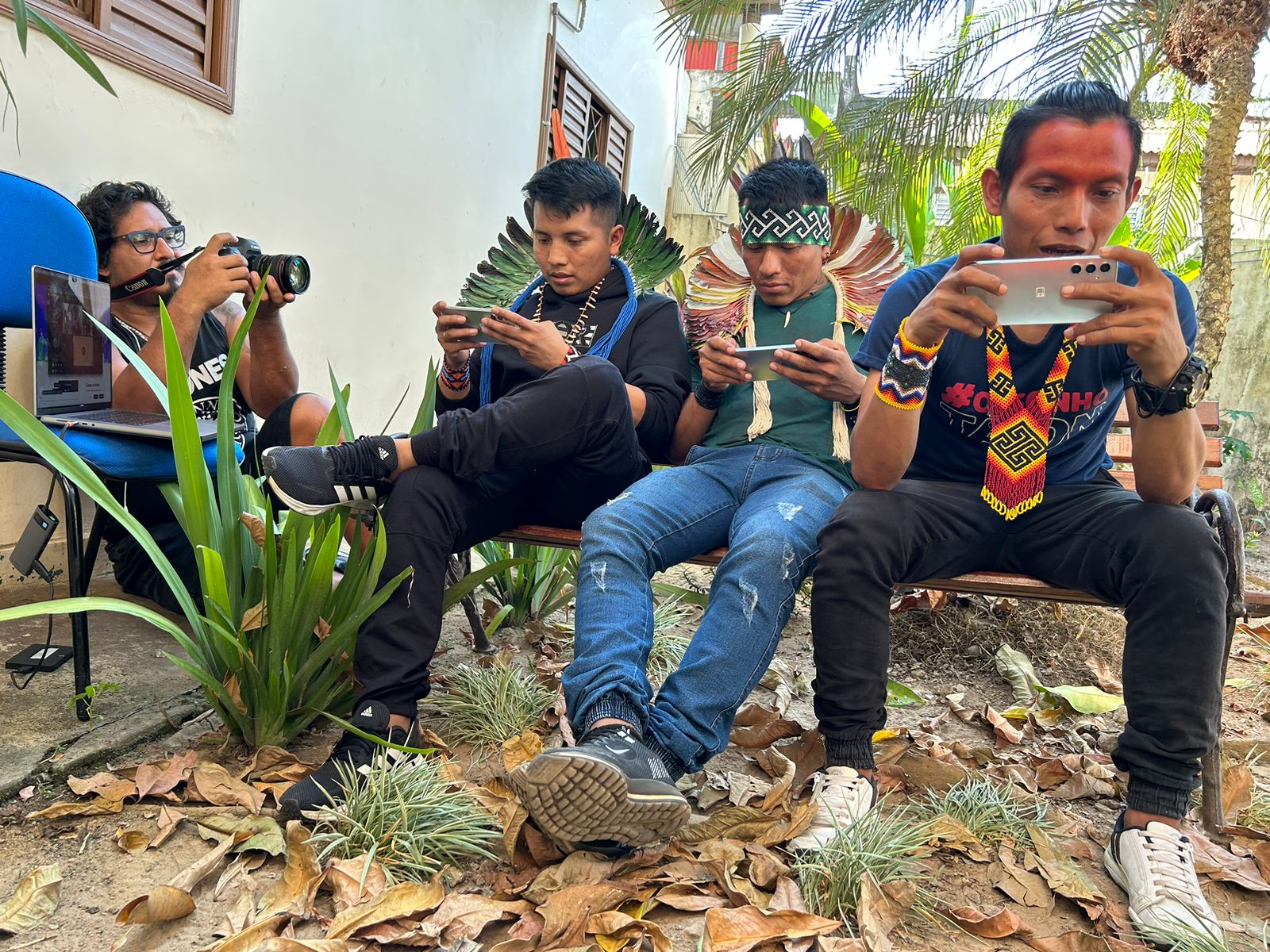
Socio-environmental conflict faced by Indigenous peoples. From this challenge, the Native Map (Mapa Originário) was born—the first map of Indigenous lands on Fortnite, where players go into action to protect the forest and defend native peoples.
Socio-environmental conflict faced by Indigenous peoples. From this challenge, the Native Map (Mapa Originário) was born—the first map of Indigenous lands on Fortnite, where players go into action to protect the forest and defend native peoples.
9th - Webinar on deforestation and the use of fire
The Amazonian summer is a period of low rainfall in the region, which intensifies deforestation-related activities and the use of fire, leading to wildfires. To encourage discussion on the topic and present perspectives on supporting the cause, a webinar was held on August 22, featuring two specialists: Luiz Borges, a biologist with a PhD in Ecology, and Wendeson Castro da Silva, a biologist with a master’s degree in Ecology and Natural Resources Management, experienced in monitoring forest ecosystems.
The Amazonian summer is a period of low rainfall in the region, which intensifies deforestation-related activities and the use of fire, leading to wildfires. To encourage discussion on the topic and present perspectives on supporting the cause, a webinar was held on August 22, featuring two specialists: Luiz Borges, a biologist with a PhD in Ecology, and Wendeson Castro da Silva, a biologist with a master’s degree in Ecology and Natural Resources Management, experienced in monitoring forest ecosystems.
PROJECTS
10th - Alliance for the Forests of Acre
Through a consortium between SOS Amazônia, the Pro-Indigenous Commission of Acre, and the Catitu Institute, the Alliance Project engages Indigenous and extractivist peoples in the defense of Acre’s forests through territorial protection and monitoring actions. The project operates directly in nine Indigenous Lands and three Conservation Units, areas that host some of the richest biodiversity in the world. In addition to environmental benefits such as climate change mitigation, Alliance also strengthens food security in traditional communities and promotes the empowerment of young girls and women.
10th - Alliance for the Forests of Acre
Through a consortium between SOS Amazônia, the Pro-Indigenous Commission of Acre, and the Catitu Institute, the Alliance Project engages Indigenous and extractivist peoples in the defense of Acre’s forests through territorial protection and monitoring actions. The project operates directly in nine Indigenous Lands and three Conservation Units, areas that host some of the richest biodiversity in the world. In addition to environmental benefits such as climate change mitigation, Alliance also strengthens food security in traditional communities and promotes the empowerment of young girls and women.
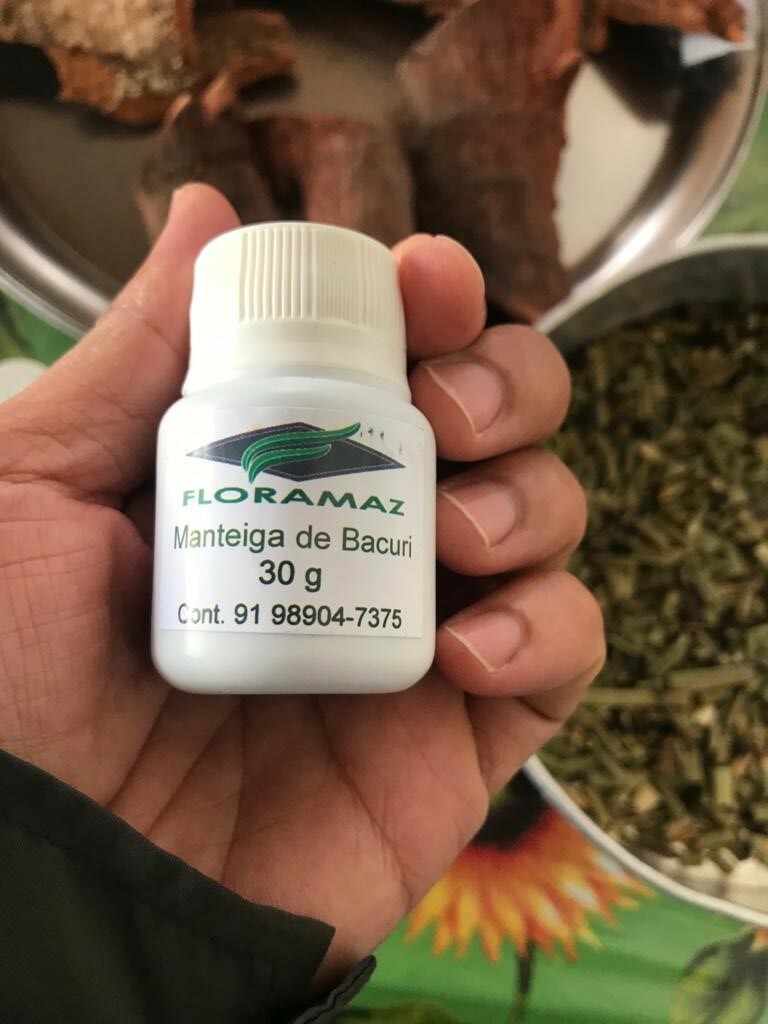
11th - Amazon’s Phytotherapeutic Products
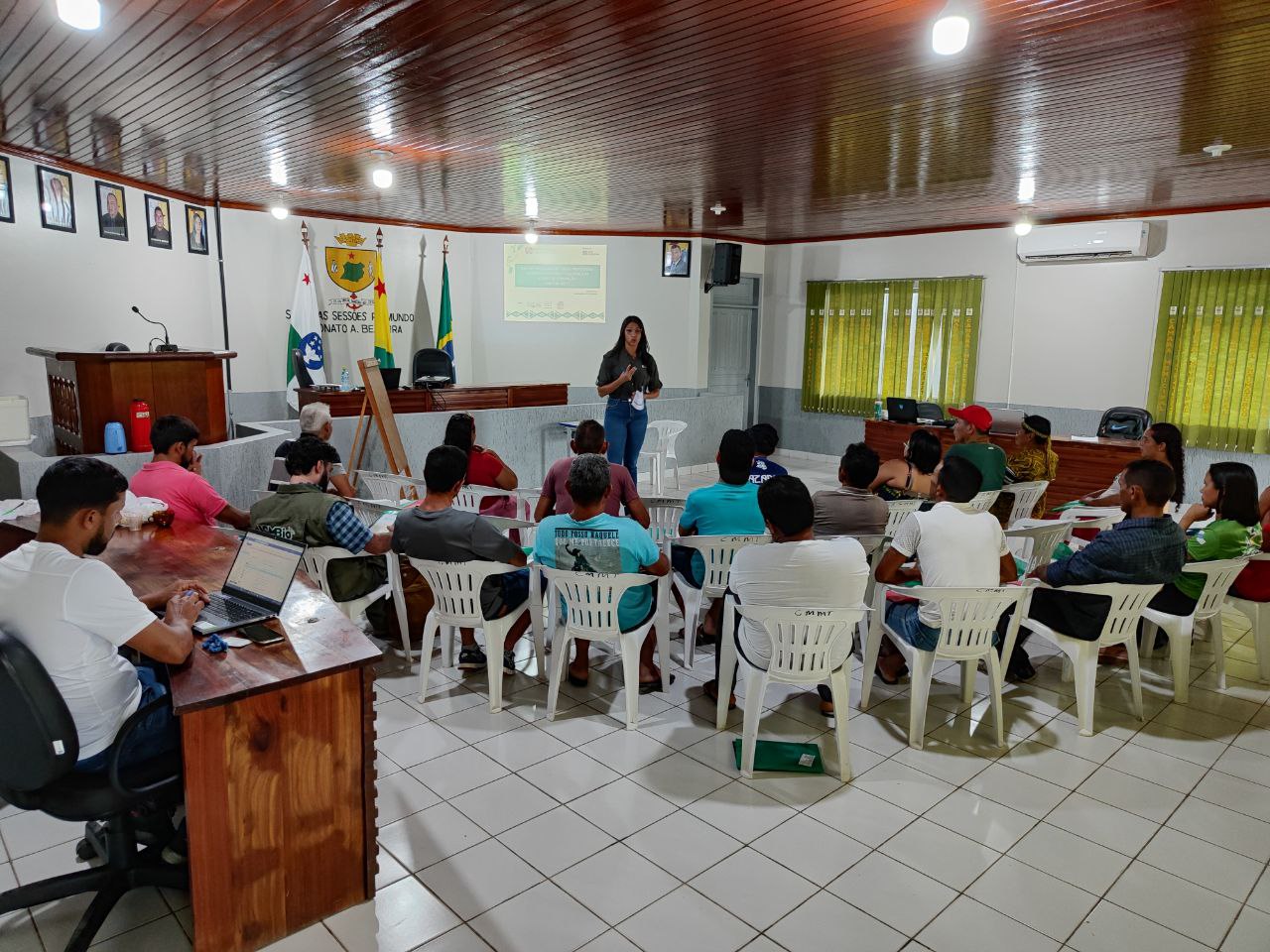
SOS Amazônia, in partnership with the United Nations Development Programme (UNDP), aims to strengthen the medicinal plant sector within organizations across the Amazon biome. In total, four organizations located in Amapá and Pará were supported; all are involved in the commercialization of medicinal plants or their derivatives. Funded by the Global Environment Facility (GEF), the project provides technical and administrative support to help these organizations enhance their commercial relationships and obtain agroecological certification.
SOS Amazônia, in partnership with the United Nations Development Programme (UNDP), aims to strengthen the medicinal plant sector within organizations across the Amazon biome. In total, four organizations located in Amapá and Pará were supported; all are involved in the commercialization of medicinal plants or their derivatives. Funded by the Global Environment Facility (GEF), the project provides technical and administrative support to help these organizations enhance their commercial relationships and obtain agroecological certification.
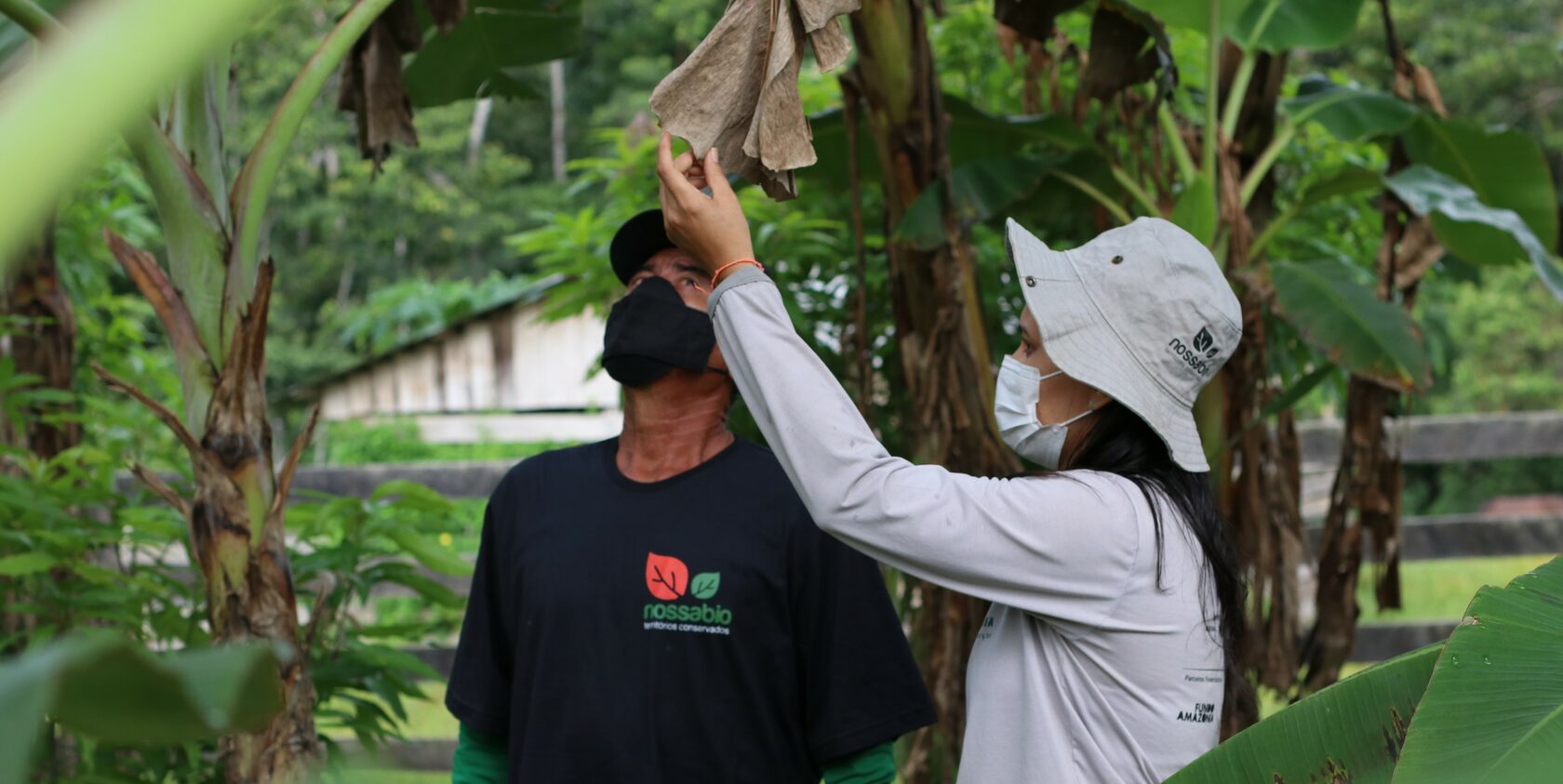
12th - Nossabio: conserved territories
The project enhances governance and community management in Conservation Units and develops sustainable value chains based on sociobiodiversity products, such as açaí, wild cocoa, rubber, handcrafted wood products, and ecotourism. It is part of the Integrated Legacy of the Amazon Region, a Brazilian conservation program conceived by the Institute of Ecological Research (IPÊ), and funded by the Amazon Fund and the Gordon & Betty Moore Foundation.
The project enhances governance and community management in Conservation Units and develops sustainable value chains based on sociobiodiversity products, such as açaí, wild cocoa, rubber, handcrafted wood products, and ecotourism. It is part of the Integrated Legacy of the Amazon Region, a Brazilian conservation program conceived by the Institute of Ecological Research (IPÊ), and funded by the Amazon Fund and the Gordon & Betty Moore Foundation.
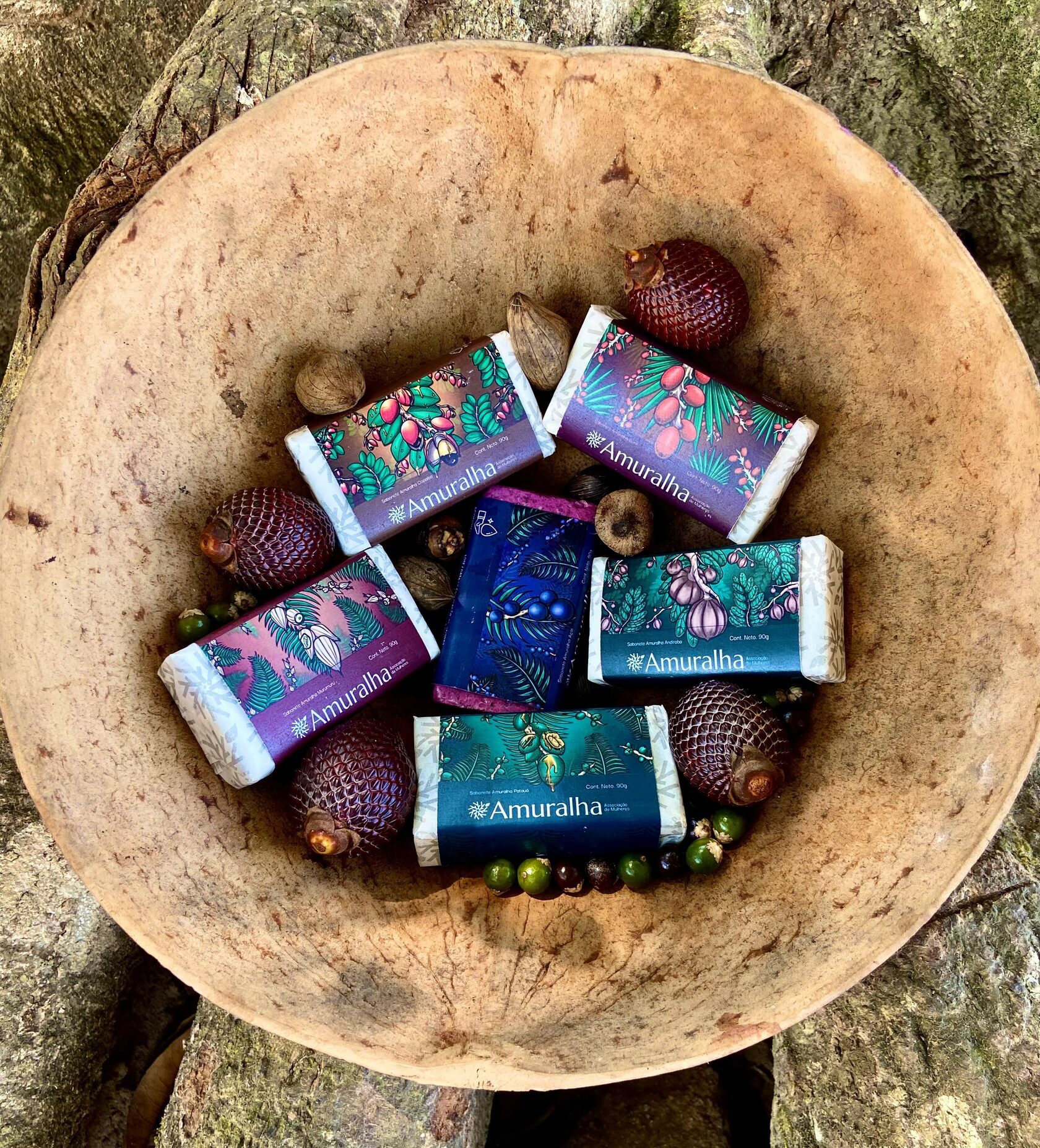
13th - Amuralha
The Association of Rural Women United by Liberty, Humanity, and Love (Amuralha), supported by SOS Amazônia and the Mérieux Foundation, is based in the community of Nova Cintra, in the municipality of Rodrigues Alves. It brings together 42 women dedicated to the production and commercialization of soaps made from copaiba, açaí, andiroba, buriti, patauá, and other forest products. In 2023, Amuralha launched a new soap collection, opening up the possibility of reaching a broader market.
The Association of Rural Women United by Liberty, Humanity, and Love (Amuralha), supported by SOS Amazônia and the Mérieux Foundation, is based in the community of Nova Cintra, in the municipality of Rodrigues Alves. It brings together 42 women dedicated to the production and commercialization of soaps made from copaiba, açaí, andiroba, buriti, patauá, and other forest products. In 2023, Amuralha launched a new soap collection, opening up the possibility of reaching a broader market.
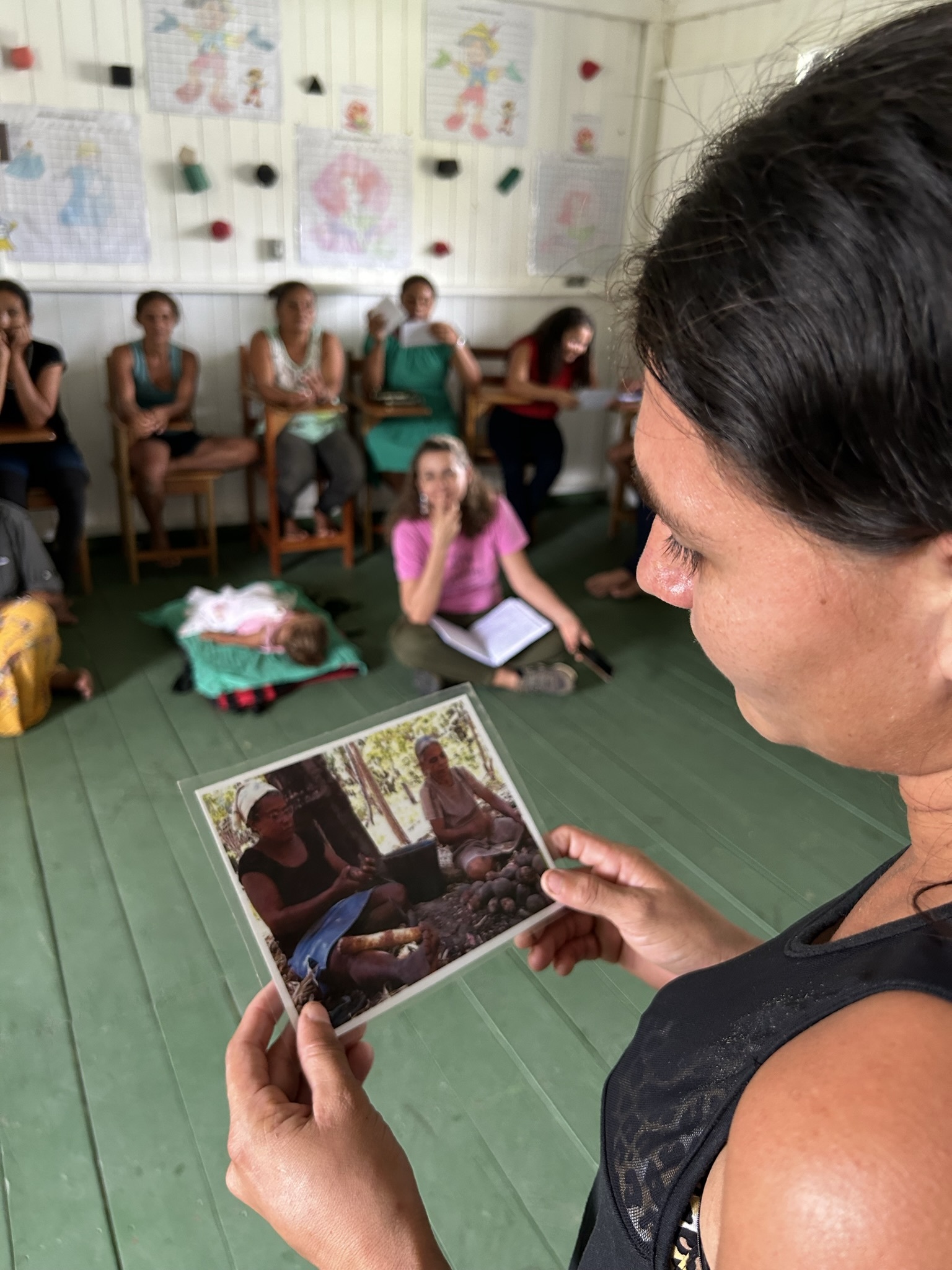
14th - Rubber’s Women (Mulheres da Borracha)
Aiming to raise women's awareness about the importance of their participation in rubber production, SOS Amazônia, the Institute of Social Development (IDS), and the company Veja promoted workshops and outreach activities with women from communities in Acre that supply latex to the French company, which uses wild rubber in shoe production. Rubber production is a family-based activity, meaning women are involved in various stages of the production chain, from tapping to commercialization. The workshops’ methodological framework includes playful activities, group dynamics, and artistic presentations, with the goal of encouraging experience-sharing, fostering self-esteem, and empowering women in the various spaces they occupy–whether within the family, cooperatives, social movements, or the rubber value chain.
Aiming to raise women's awareness about the importance of their participation in rubber production, SOS Amazônia, the Institute of Social Development (IDS), and the company Veja promoted workshops and outreach activities with women from communities in Acre that supply latex to the French company, which uses wild rubber in shoe production. Rubber production is a family-based activity, meaning women are involved in various stages of the production chain, from tapping to commercialization. The workshops’ methodological framework includes playful activities, group dynamics, and artistic presentations, with the goal of encouraging experience-sharing, fostering self-esteem, and empowering women in the various spaces they occupy–whether within the family, cooperatives, social movements, or the rubber value chain.
15th - Make it Flourish Forest (Faça Florescer Floresta)
Launched in 2019, the project promotes the recovery of degraded areas, including spring surroundings, through the implementation of Agroforestry Systems (SAFs)—the combined cultivation of forestry, fruit-bearing species, and palm trees of ecological and economic interest. Since its inception, it has relied on support from spontaneous donations and organizations such as The Caring Family Foundation, Nike, One Tree Planted, International Conservation, and PMI Worldwide, among others. By 2025, the project aims to directly benefit 840 families through the planting of 1,600 seedlings.
Launched in 2019, the project promotes the recovery of degraded areas, including spring surroundings, through the implementation of Agroforestry Systems (SAFs)—the combined cultivation of forestry, fruit-bearing species, and palm trees of ecological and economic interest. Since its inception, it has relied on support from spontaneous donations and organizations such as The Caring Family Foundation, Nike, One Tree Planted, International Conservation, and PMI Worldwide, among others. By 2025, the project aims to directly benefit 840 families through the planting of 1,600 seedlings.
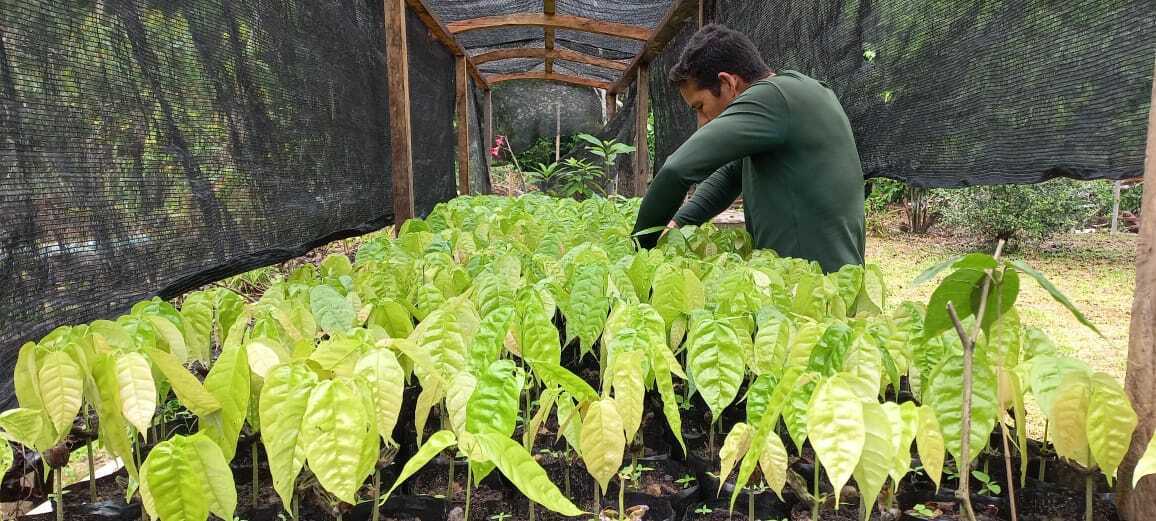
16th - Socioenvironmental Observatory
The observatory was created to monitor and disseminate information about public policy agendas related to environmental conservation and management. This project is promoted by Project Harpia and supported by the Climate and Health Institute (ICS).
The observatory was created to monitor and disseminate information about public policy agendas related to environmental conservation and management. This project is promoted by Project Harpia and supported by the Climate and Health Institute (ICS).
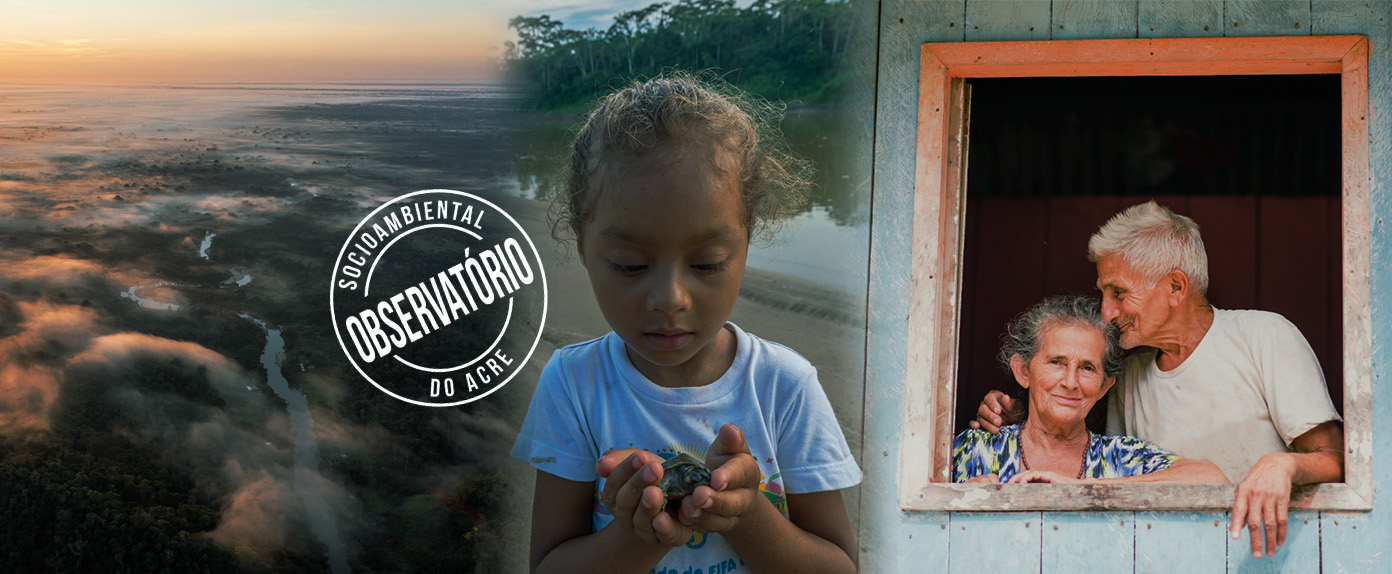
17th - Jeruá’s Chelonians - I protect! (Quelônios do Juruá - eu protejo!)
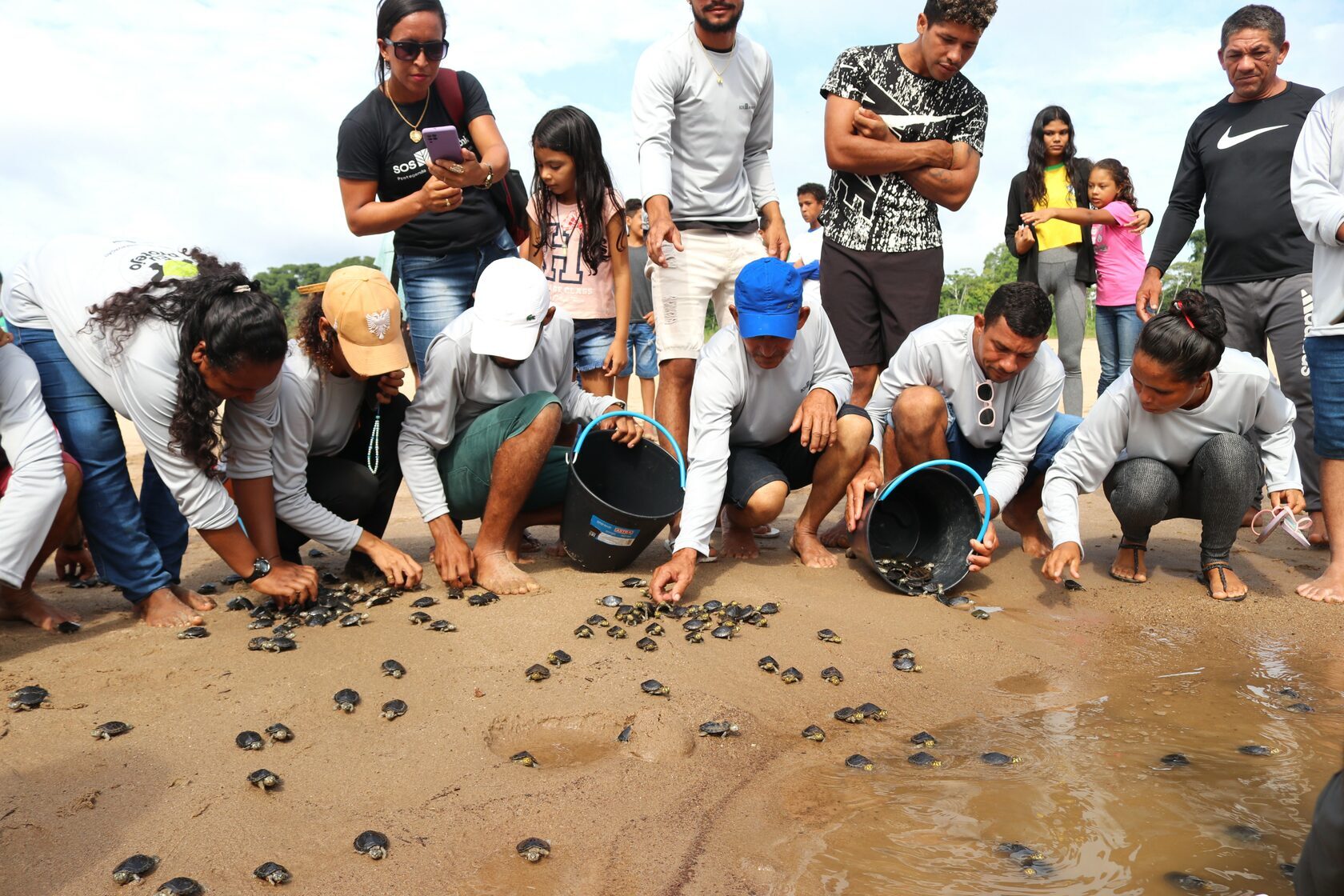
Aiming to increase chelonian populations, the project promotes participatory community management through environmental education, training of riverine families, monitoring of threatened beaches, care of recently born chelonians, and their release into safe areas. In 2023, six capacity-building workshops trained 31 monitoring agents to oversee 47 demarcated beaches within four Conservation Units. As a result, over 2,000 baby chelonians were returned to nature in the Alto Juruá Extractivist Reserve and Riozinho da Liberdade in the Carlota Community, Cruzeiro do Sul.
Aiming to increase chelonian populations, the project promotes participatory community management through environmental education, training of riverine families, monitoring of threatened beaches, care of recently born chelonians, and their release into safe areas. In 2023, six capacity-building workshops trained 31 monitoring agents to oversee 47 demarcated beaches within four Conservation Units. As a result, over 2,000 baby chelonians were returned to nature in the Alto Juruá Extractivist Reserve and Riozinho da Liberdade in the Carlota Community, Cruzeiro do Sul.
18th - SOS Recycling (SOS Reciclagem)
The campaign aims to promote environmental education on the proper disposal of solid waste. It began in 2013 as an experimental initiative for separating and selectively disposing of recyclable materials. Currently, the campaign is active at SOS Amazônia’s headquarters in Rio Branco (AC), where people can dispose of plastic and aluminum packaging as well as batteries.
The campaign aims to promote environmental education on the proper disposal of solid waste. It began in 2013 as an experimental initiative for separating and selectively disposing of recyclable materials. Currently, the campaign is active at SOS Amazônia’s headquarters in Rio Branco (AC), where people can dispose of plastic and aluminum packaging as well as batteries.
SEEDING THE FUTURE
19th - Technical Assistance
Technical assistance and rural and forestry extension (ATERF) is one of SOS Amazônia’s pillars, encouraging grassroots activities to adopt best practices aimed at meeting the projects’ economic and environmental goals. This work is based on transferring technical knowledge to producers and extractivists, who have direct contact with families, providing a space for knowledge-sharing and experience exchange, thereby enhancing production in the territories.
19th - Technical Assistance
Technical assistance and rural and forestry extension (ATERF) is one of SOS Amazônia’s pillars, encouraging grassroots activities to adopt best practices aimed at meeting the projects’ economic and environmental goals. This work is based on transferring technical knowledge to producers and extractivists, who have direct contact with families, providing a space for knowledge-sharing and experience exchange, thereby enhancing production in the territories.
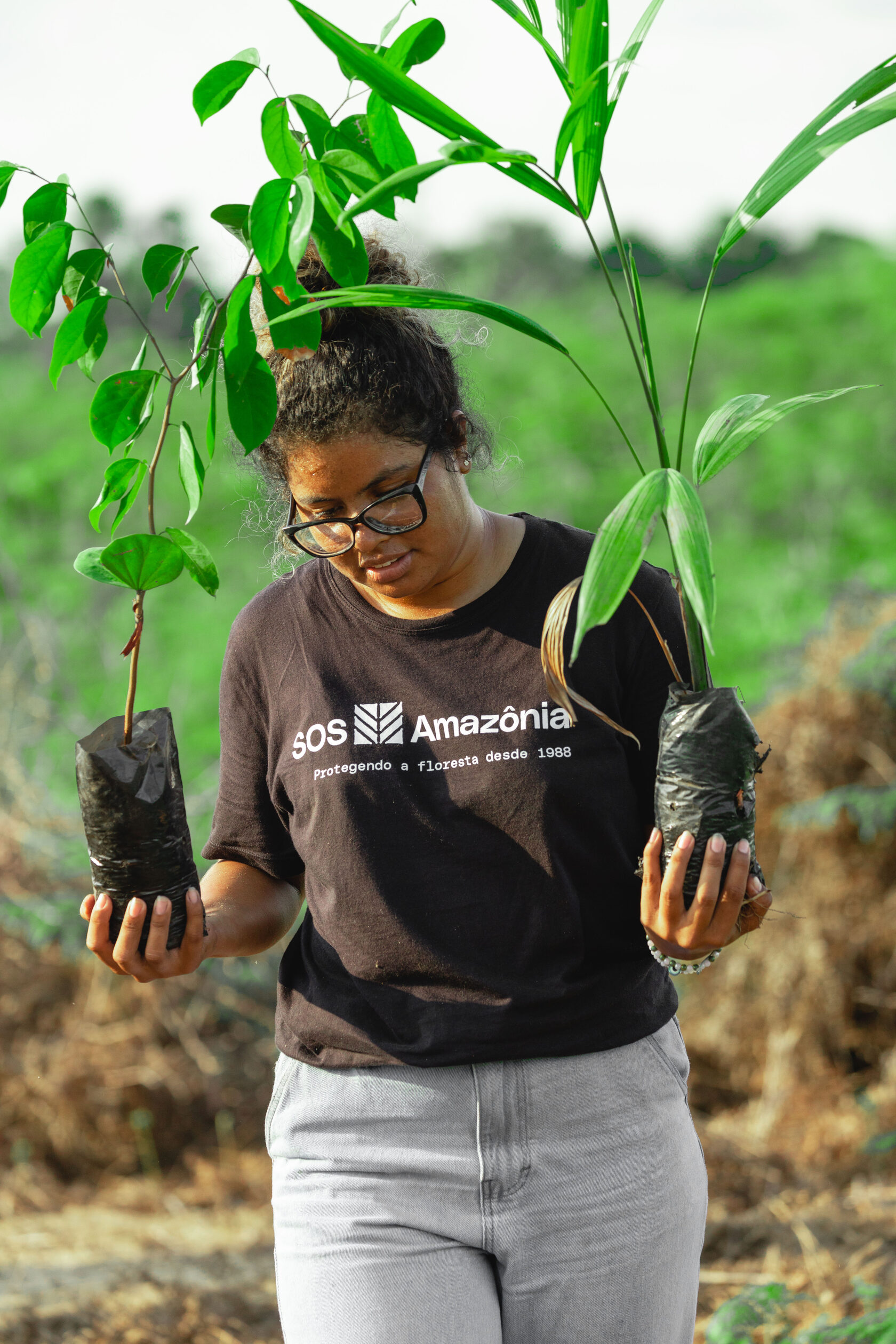
20th - Trips and Transfers
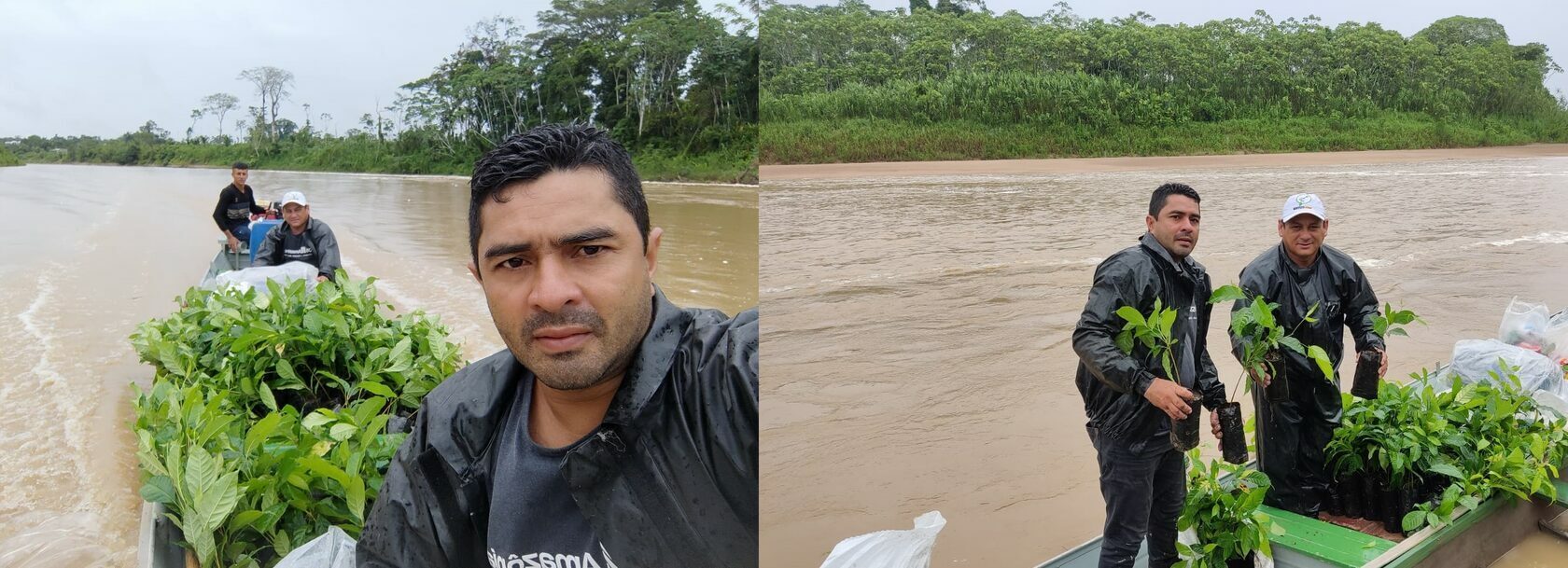
Under the sun or in the rain, SOS Amazônia staff are on the ground, working to strengthen sustainable productive activities in Conservation Units, settlement projects, and traditional communities. Whether by car, boat, motorcycle, ATV, or on foot, technicians travel through the forest to reach riverine, extractivist, and small-scale farming communities. In 2023, SOS Amazônia’s activities were concentrated in the state of Acre, with specific projects also carried out in Amapá, Amazonas, Pará, and Rondônia.
Under the sun or in the rain, SOS Amazônia staff are on the ground, working to strengthen sustainable productive activities in Conservation Units, settlement projects, and traditional communities. Whether by car, boat, motorcycle, ATV, or on foot, technicians travel through the forest to reach riverine, extractivist, and small-scale farming communities. In 2023, SOS Amazônia’s activities were concentrated in the state of Acre, with specific projects also carried out in Amapá, Amazonas, Pará, and Rondônia.
21st - Communitarian sanctuaries
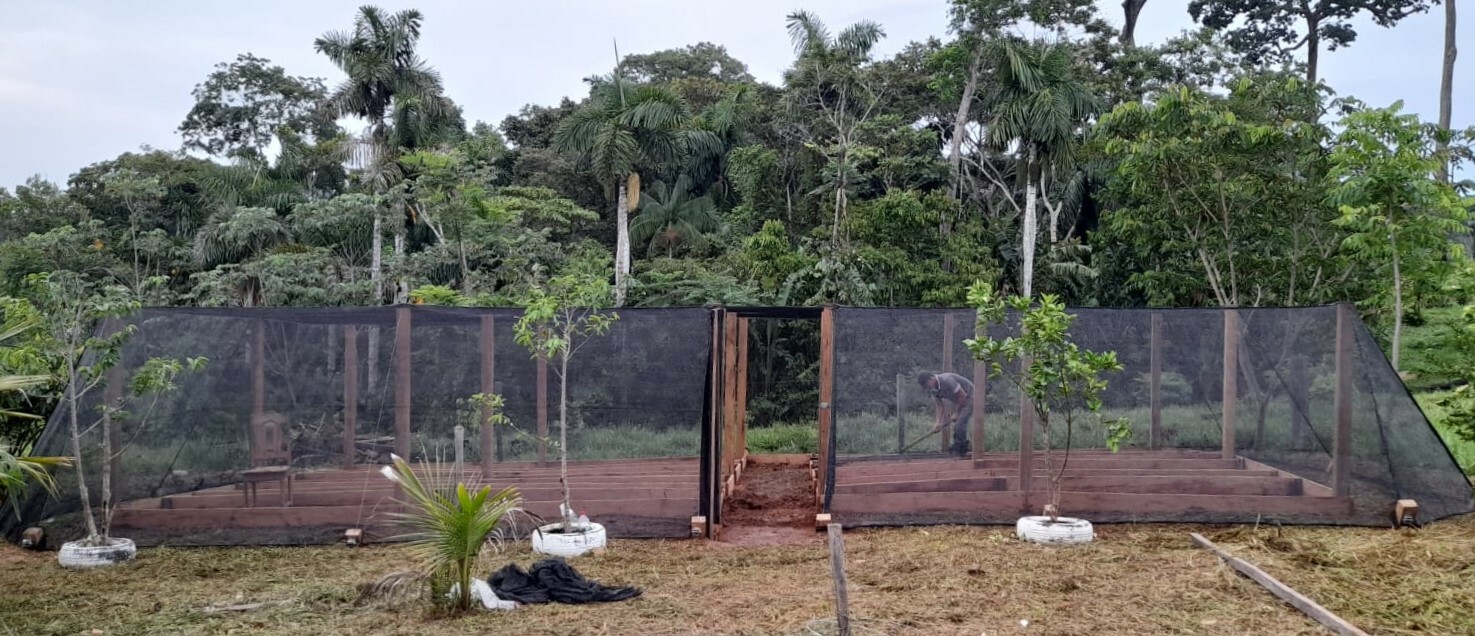
To ensure the success of forest restoration projects and improve logistics in less accessible regions, SOS Amazônia builds communitarian sanctuaries to boost seedling production. The goal is to empower families with the tools to expand their restoration areas and diversify the species they cultivate—both ecological and economically valuable—allowing them to commercialize surplus seedlings in local markets.
To ensure the success of forest restoration projects and improve logistics in less accessible regions, SOS Amazônia builds communitarian sanctuaries to boost seedling production. The goal is to empower families with the tools to expand their restoration areas and diversify the species they cultivate—both ecological and economically valuable—allowing them to commercialize surplus seedlings in local markets.
22nd - Agroforest
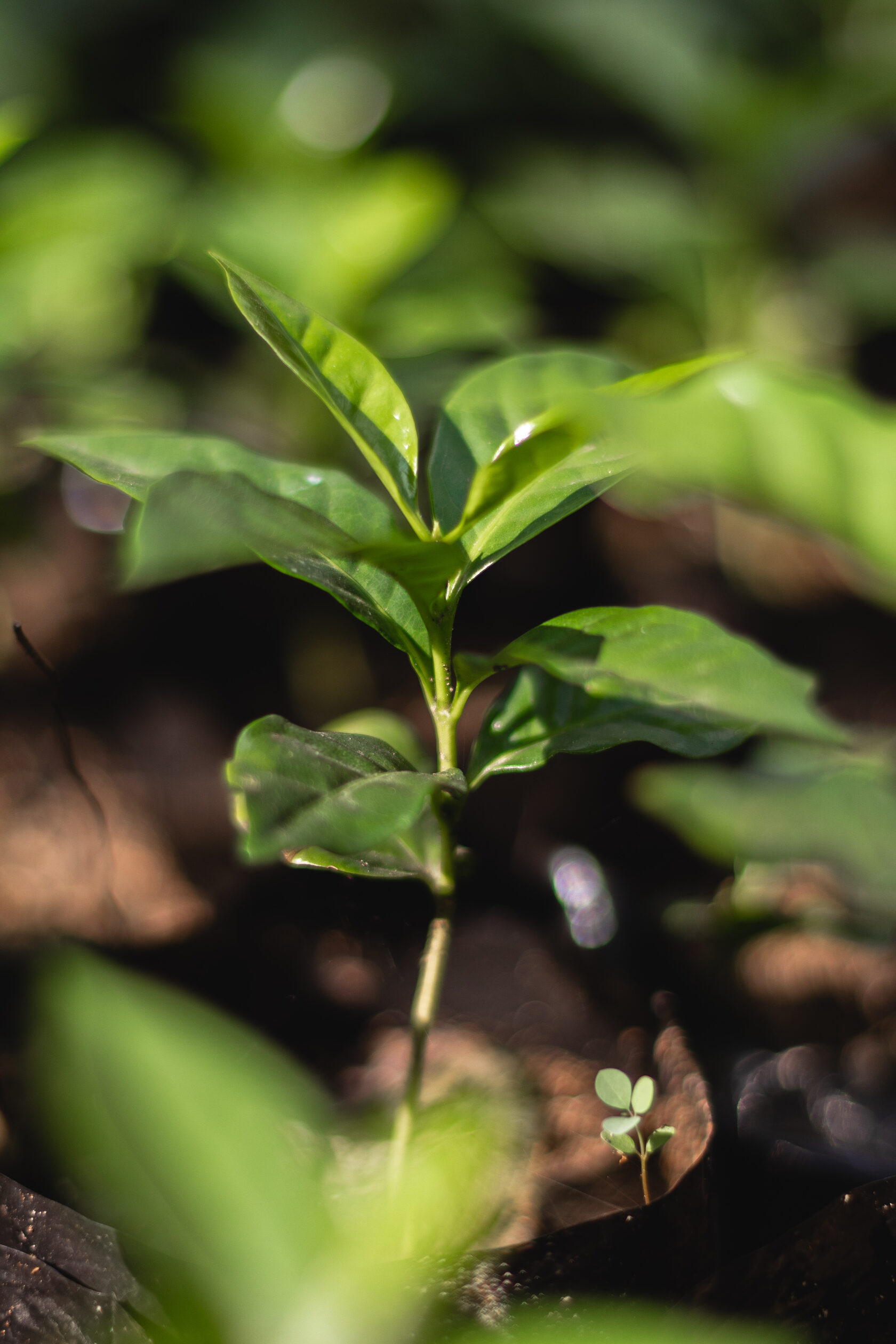
The restoration of degraded areas can support between 1,000 and 2,500 species per hectare, depending on planting density. The restoration work is carried out in partnership with the projects’ beneficiaries—residents of riverine and extractivist communities, settlement projects, and Conservation Units. Beyond forestry species, families can enrich agroforestry systems by integrating agricultural species such as corn, beans, bananas, and cassava.
The restoration of degraded areas can support between 1,000 and 2,500 species per hectare, depending on planting density. The restoration work is carried out in partnership with the projects’ beneficiaries—residents of riverine and extractivist communities, settlement projects, and Conservation Units. Beyond forestry species, families can enrich agroforestry systems by integrating agricultural species such as corn, beans, bananas, and cassava.
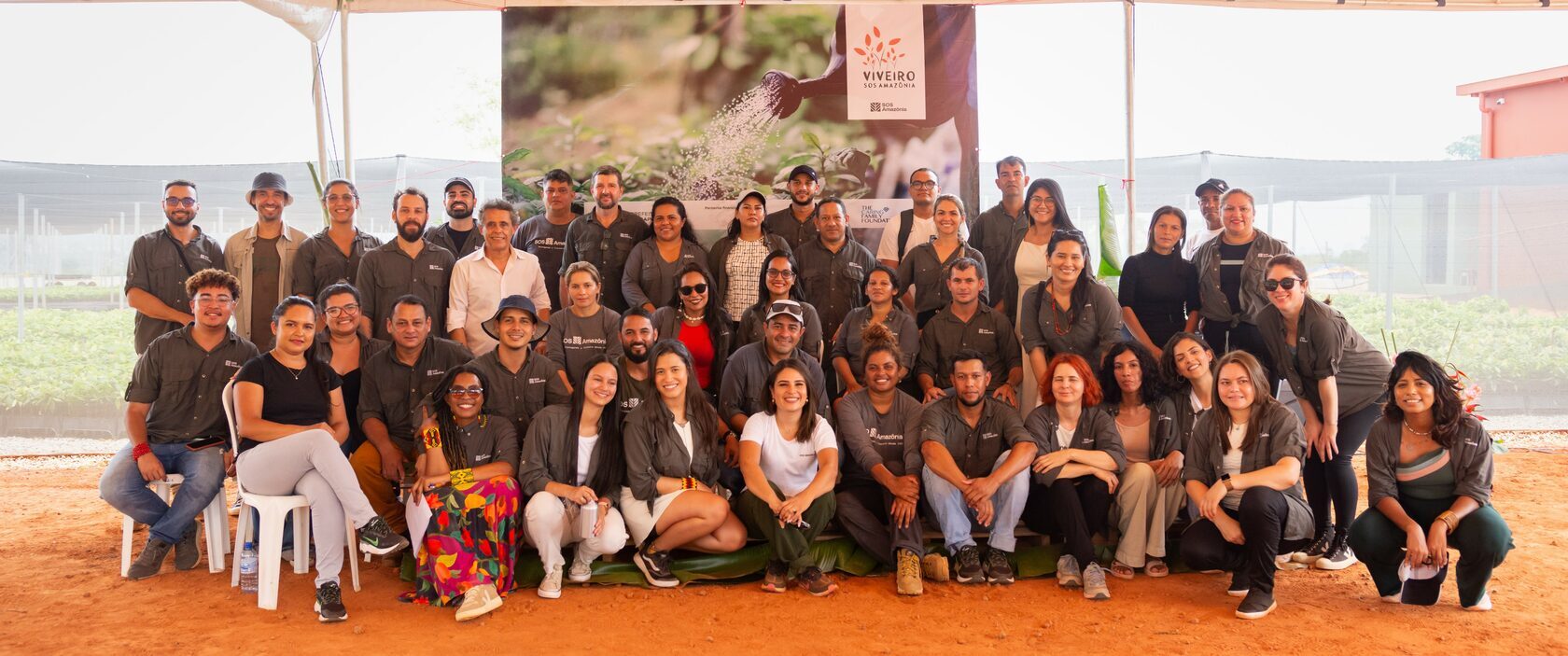
23rd - Staff Team
We are a team of 48 staff members, who add joy, creativity and professionalism to our mission.
We are a team of 48 staff members, who add joy, creativity and professionalism to our mission.
And to celebrate 2024’s arrival…
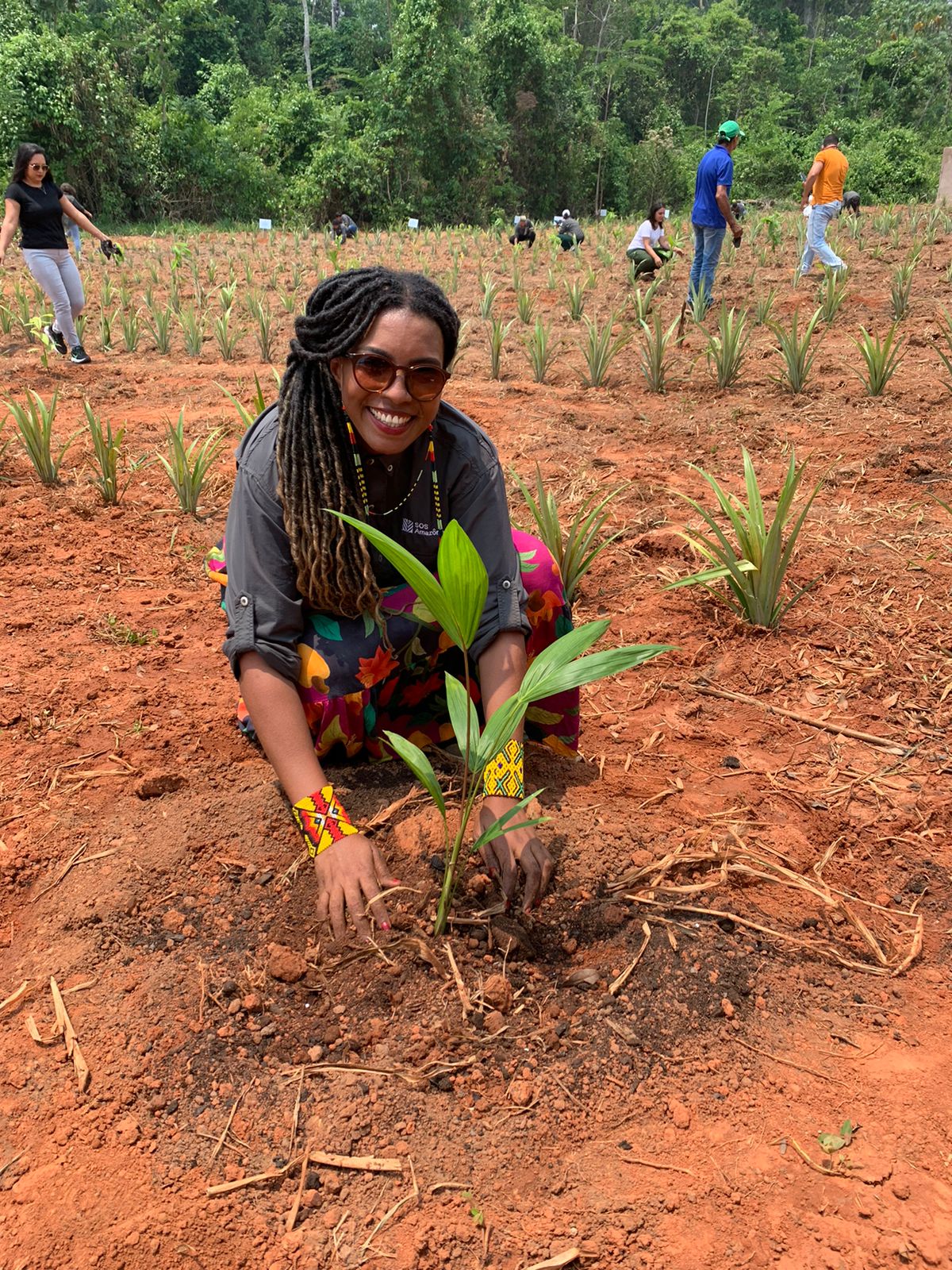
24th - Plant a Tree in the Amazon Forest
Through the Make it Flourish Forest (Faça Florescer Floresta) website, it is possible to donate forest, fruit-bearing, and palm tree seedlings for 25 reais each. Beyond individual donations, personalized campaigns can be created by individuals or legal entities. With just a few clicks, anyone can plant a tree in the Amazon Forest, providing ecological and economic benefits for riverine and extractivist communities, settlement projects, and Conservation Units.
24th - Plant a Tree in the Amazon Forest
Through the Make it Flourish Forest (Faça Florescer Floresta) website, it is possible to donate forest, fruit-bearing, and palm tree seedlings for 25 reais each. Beyond individual donations, personalized campaigns can be created by individuals or legal entities. With just a few clicks, anyone can plant a tree in the Amazon Forest, providing ecological and economic benefits for riverine and extractivist communities, settlement projects, and Conservation Units.
TOGETHER, WE FLOURISH.
Translator: Natalia Juliano.